
How Towing Companies Handle Vehicles With Brake Failure
Brake failure is one of the most dangerous situations a driver can experience on the road. When a vehicle cannot slow down or stop properly, even a short drive can become a serious safety risk. That is why professional towing companies play a critical role in handling vehicles with brake problems safely and efficiently.
For drivers dealing with sudden brake issues, professional towing services like AQA Towing provide the equipment, experience, and roadside support needed to transport disabled vehicles without causing additional damage or putting anyone at risk.
Whether the issue involves worn brake pads, leaking brake fluid, failed master cylinders, seized calipers, or complete brake system failure, towing professionals are trained to respond safely under high-pressure roadside conditions.
In this guide, you will learn:
What brake failure actually means
Common causes of brake system problems
Why driving with brake failure is dangerous
How towing companies safely recover vehicles with brake issues
What towing equipment is commonly used
Safety procedures towing operators follow
What drivers should do immediately after brake failure
How professional towing helps prevent further damage and accidents
What Is Brake Failure?
Brake failure happens when a vehicle’s braking system loses the ability to stop or slow the vehicle effectively. In some cases, brakes become weak or inconsistent. In more serious situations, the brake pedal may stop responding entirely.
Modern braking systems rely on several interconnected components working together, including:
Brake pads
Brake rotors
Brake fluid
Brake lines
Brake calipers
ABS systems
Master cylinders
Brake boosters
If any of these components fail, the driver may lose braking control. Warning signs often include grinding noises, soft brake pedals, pulling during braking, brake warning lights, fluid leaks, or delayed stopping response.
Drivers who ignore these symptoms often end up needing emergency roadside support similar to situations discussed in how to know when your car needs professional towing, not just a quick fix.
When these symptoms appear, towing is usually the safest solution.
Why Brake Failure Is Extremely Dangerous
Brake problems are not minor inconveniences. They directly affect the driver’s ability to control the vehicle safely.
A vehicle with failing brakes can:
Require longer stopping distances
Lose control during emergency braking
Slide during wet or icy conditions
Pull into other lanes
Overheat braking components
Cause collisions at intersections or highways
Even partial brake failure can escalate quickly. A small brake fluid leak, for example, can suddenly become total hydraulic pressure loss.
Professional roadside experts consistently warn against continuing to drive vehicles with compromised braking systems.
That is why experienced towing companies prioritize brake-failure calls as high-risk recovery situations.
Common Causes of Vehicle Brake Failure
Brake systems fail for many different reasons. Understanding these causes helps drivers recognize when towing may be necessary.
Brake Fluid Leaks
Brake systems rely on hydraulic pressure. If brake fluid leaks from damaged lines or fittings, braking power can disappear quickly.
Signs include:
Soft or spongy brake pedal
Fluid under the vehicle
Brake warning lights
Reduced stopping ability
Worn Brake Pads and Rotors
Over time, brake pads wear down naturally. Ignoring maintenance can lead to metal-on-metal contact that damages rotors and reduces stopping performance.
Failed Master Cylinder
The master cylinder controls hydraulic brake pressure. When it fails, the brake pedal may sink to the floor with little or no resistance.
Overheated Brakes
Excessive braking on steep hills or heavy traffic can overheat brake components. This condition, called brake fade, reduces friction and stopping ability.
ABS System Failures
Modern vehicles use Anti-lock Braking Systems (ABS) to improve braking control. Electrical or sensor failures can compromise braking performance.
Seized Brake Calipers
A seized caliper can cause one wheel to remain partially locked, creating dangerous pulling, overheating, or wheel damage.
Damaged Brake Lines
Road debris, corrosion, or accidents may damage brake lines, leading to sudden pressure loss.
When these failures occur, towing professionals determine the safest recovery method based on the severity of the issue.
What Drivers Should Do Immediately During Brake Failure
Brake failure creates panic for many drivers, but staying calm is critical.
If your brakes stop working while driving:
1. Stay Calm and Avoid Sudden Movements
Do not jerk the steering wheel or slam the brakes repeatedly.
2. Use Lower Gears to Slow Down
Downshifting helps reduce speed gradually, especially in automatic vehicles with manual gear modes.
3. Use the Parking Brake Carefully
Apply the emergency brake slowly and steadily to avoid locking the wheels.
4. Move to a Safe Area
Try to guide the vehicle toward the shoulder, empty parking lot, or roadside area away from traffic.
5. Turn On Hazard Lights
Hazard lights alert surrounding drivers that your vehicle is disabled.
6. Call a Professional Towing Company
Once safely stopped, contact a trusted towing provider through the AQA Towing quote page for professional roadside assistance and vehicle transport.
Drivers stranded in high-traffic areas may also benefit from reading what to do if your vehicle is immobile on a busy Chicago suburb road.
Attempting to continue driving after brake failure can worsen damage and significantly increase accident risk.
How Towing Companies Handle Vehicles With Brake Failure
Professional towing companies follow specific recovery procedures when handling vehicles with brake system problems.
Because braking ability is compromised, operators must use specialized equipment, careful loading methods, and advanced safety protocols.
Step 1: Assessing the Brake Failure Situation
The first step is evaluating the severity of the brake problem.
Tow truck operators typically inspect:
Whether the brakes partially work
If wheels are locked
Brake fluid leakage
Vehicle position and surroundings
Accident-related damage
Road conditions
Traffic hazards
This assessment helps determine the safest towing method.
Experienced companies understand that every brake failure situation is different. This same attention to detail is often highlighted in what to expect when you call AQA Towing: step-by-step tow process explained.
Step 2: Choosing the Correct Tow Truck
Not all tow trucks are appropriate for brake-failure recoveries.
Professional towing companies select equipment based on:
Vehicle size
Brake condition
Drivetrain type
Accident involvement
Road accessibility
Wheel condition
The most common towing options include:
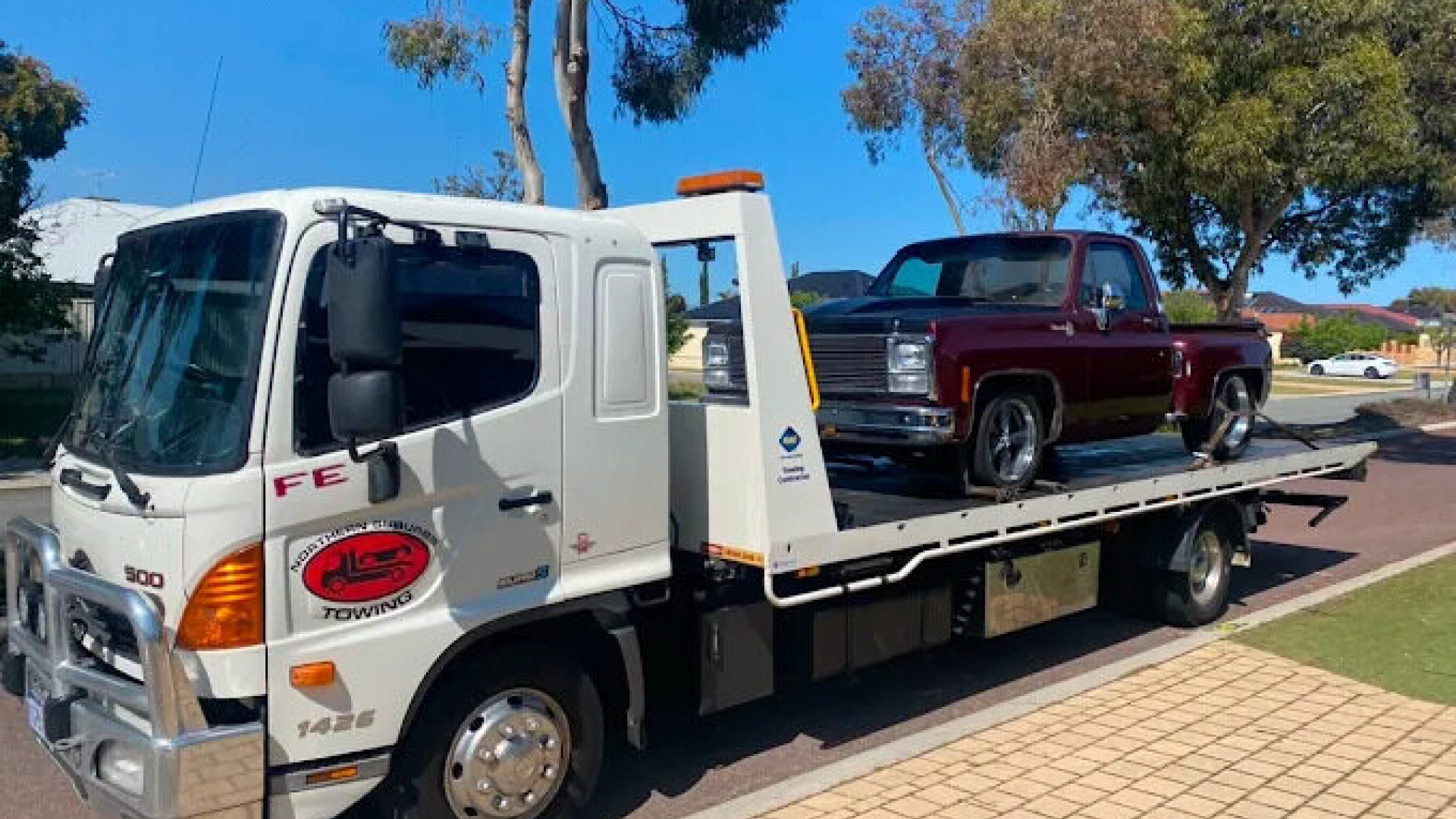
Flatbed Tow Trucks
Flatbed towing is often the safest option for brake-failure vehicles.
With flatbed towing:
The vehicle is fully lifted off the ground
No rolling movement occurs during transport
Additional brake damage is minimized
Drivetrain stress is reduced
This method is especially important when wheels are locked or braking systems are severely damaged.
Drivers comparing towing methods can also review choosing between flatbed, wheel-lift, and flat tire towing methods.
Wheel-Lift Tow Trucks
Wheel-lift towing may be used for shorter distances or less severe brake issues. However, operators must ensure the vehicle remains stable during transport.
Professional operators avoid shortcuts that could create suspension, transmission, or frame damage, similar to the risks covered in the hidden costs of poorly performed tows.
Step 3: Securing the Vehicle Safely
Vehicles with brake failure require extra stabilization during loading.
Tow operators may use:
Wheel chocks
Heavy-duty straps
Safety chains
Hydraulic winches
Tire restraints
If the vehicle cannot roll freely because brakes are locked, specialized skates or dollies may be placed under the wheels.
This prevents tire dragging and protects the suspension system.
Step 4: Controlled Loading Procedures
Brake-failure vehicles cannot always be driven onto the tow truck.
Instead, operators often use hydraulic winches to slowly pull the vehicle onto the flatbed.
During loading, towing professionals carefully monitor:
Vehicle alignment
Wheel movement
Stability
Weight distribution
Road slope
Traffic exposure
Improper loading can damage steering systems, axles, or undercarriage components.
This is one reason experienced towing companies are so important during brake-related emergencies. Drivers concerned about towing-related damage can also explore can towing damage your car? prevention tips.
Step 5: Transporting the Vehicle to a Repair Facility
Once secured, the vehicle is transported to:
Repair shops
Dealerships
Collision centers
Tire and brake specialists
The owner’s residence
Professional towing companies drive cautiously during brake-failure recoveries because sudden shifting can place extra stress on damaged components.
Why Flatbed Towing Is Often Recommended for Brake Failure
Flatbed towing is widely considered the safest transport method for disabled vehicles.
Benefits include:
Reduced Risk of Additional Damage
Brake failures often involve damaged rotors, calipers, or wheel components. Flatbeds prevent these parts from dragging on the road.
Better Stability
The entire vehicle remains secure during transport.
Safer for AWD and Luxury Vehicles
Many modern vehicles require flatbed towing to avoid drivetrain damage. This is especially important for all-wheel-drive vehicles discussed in towing an all-wheel-drive vehicle: what drivers need to know.
Safer During Long-Distance Transport
Brake-failure vehicles may not remain stable during conventional towing over long distances.
Professional towing providers often recommend flatbeds for complex roadside recoveries because they provide maximum vehicle protection.
Safety Procedures Towing Companies Follow During Brake Failure Recoveries
Handling brake-failure vehicles involves more than simply hooking up a tow truck.
Professional operators follow strict safety procedures.
Traffic Control Measures
Tow operators often:
Position trucks strategically
Use warning lights
Deploy reflective triangles
Wear high-visibility gear
Drivers waiting roadside should also review these important roadside safety tips while waiting for a tow truck.
Secondary Damage Prevention
Improper towing can damage:
Transmissions
Suspension systems
Steering components
Frames
Experienced operators understand how to prevent these risks.
Roadside Risk Assessment
Busy highways, weather conditions, and nighttime recoveries all require additional caution.
Proper Weight Distribution
Incorrect loading angles or imbalance can create dangerous towing instability.
Common Mistakes Drivers Make After Brake Failure
Many drivers unintentionally make dangerous decisions after experiencing brake problems.
Continuing to Drive
Even “just a few more miles” can be extremely risky.
Ignoring Early Warning Signs
Grinding sounds, vibrations, or soft pedals should never be ignored.
Using DIY Towing Methods
Improvised towing with ropes or chains can lead to serious accidents. Drivers considering alternatives should understand why local towing services save more time and money than DIY solutions.
Choosing Inexperienced Tow Providers
Poor towing techniques can create expensive vehicle damage later.
How Professional Towing Helps Prevent Further Damage
Brake system failures often involve more than one damaged component.
Professional towing helps prevent:
Rotor warping
Tire damage
Suspension stress
Transmission strain
Steering system damage
Underbody scraping
Experienced towing operators know how to move disabled vehicles without worsening the original mechanical problem. Similar preventative strategies are discussed in why prompt towing after a breakdown prevents further vehicle damage.
Why Experience Matters During Brake Failure Towing
Brake-failure recoveries are high-risk situations.
Professional towing companies bring:
Specialized recovery equipment
Vehicle handling expertise
Safety training
Emergency roadside experience
Proper insurance and licensing
Companies like AQA Towing focus on safe vehicle handling and fast roadside response throughout Chicago, the South Suburbs, and Northwest Indiana.
Experienced operators understand how different vehicle types require different towing methods, especially during brake system emergencies. Drivers can also learn more about professional standards in what makes a tow operator certified and why it matters for your car.
Frequently Asked Questions About Brake Failure Towing
Can a car with brake failure be towed safely?
Yes. Professional towing companies use specialized equipment like flatbeds, wheel dollies, winches, and restraints to safely transport vehicles with brake problems.
What type of tow truck is best for brake failure?
Flatbed tow trucks are usually the safest option because the vehicle is fully lifted off the road, reducing additional damage risk.
Should I drive my car if the brakes feel soft?
No. Soft or spongy brakes may indicate hydraulic pressure loss or brake fluid leaks. Continuing to drive can be dangerous.
How do towing companies move cars with locked brakes?
Tow operators may use wheel dollies, skates, hydraulic winches, or flatbed systems to move vehicles safely without dragging the tires.
Is brake failure considered an emergency?
Yes. Brake failure directly affects vehicle control and stopping ability, making it a serious roadside emergency.
Can towing damage a car with brake problems?
Improper towing can cause damage, which is why choosing an experienced towing company matters. Professional operators use methods designed to protect the vehicle.
What are common warning signs of brake failure?
Common signs include grinding noises, brake warning lights, soft pedals, fluid leaks, pulling during braking, and delayed stopping response.
Does roadside assistance fix brake failure on-site?
Minor issues may sometimes be addressed roadside, but most significant brake failures require towing to a repair facility.
How long does brake failure towing usually take?
Response times vary based on location, traffic, and road conditions, but professional towing companies aim for fast emergency dispatch and efficient recovery.
Conclusion
Brake failure is one of the most serious mechanical problems a driver can face. When braking systems stop functioning properly, professional towing becomes the safest and smartest solution.
Experienced towing companies use specialized recovery methods, flatbed equipment, controlled loading procedures, and advanced safety practices to transport disabled vehicles without causing additional harm.
From roadside assessment to final delivery at a repair facility, professional tow operators help protect drivers, passengers, surrounding traffic, and the vehicle itself.
If you experience brake problems, avoiding DIY solutions and contacting a trusted towing professional immediately can prevent accidents, reduce repair costs, and improve overall safety.
For fast, professional roadside assistance and vehicle recovery, visit AQA Towing or request immediate help through the Get a Quote page.
