
What Causes Transmission Damage During Improper Towing
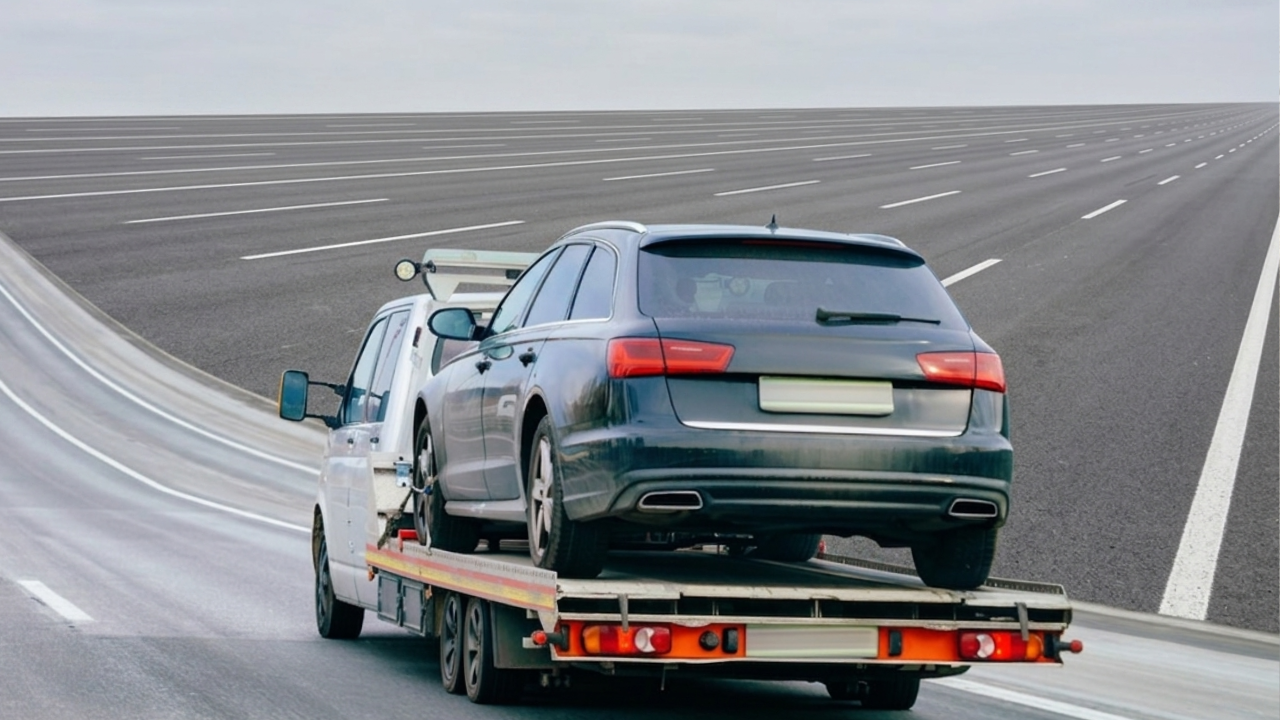
Many drivers don’t realize that improper towing can seriously damage a vehicle’s transmission. Whether a car is being moved after a breakdown or transported from one location to another, using the wrong towing method can create expensive mechanical problems. Understanding how transmission damage happens during towing can help vehicle owners protect their cars and know when to call a professional towing company like AQA Towing.
Vehicle transmissions are built to operate under controlled conditions with proper lubrication, balanced wheel movement, and carefully managed drivetrain operation. During incorrect towing, those systems can experience major stress, especially when the wrong equipment or unsafe towing techniques are involved.
As explained in this guide about can towing damage your car, even a short-distance tow performed incorrectly can lead to long-term mechanical issues.
Why Proper Towing Matters
Your vehicle’s transmission is responsible for transferring power from the engine to the wheels. It is a highly complex system designed to function while the engine is running and fluids are circulating properly. When a vehicle is towed incorrectly, internal transmission components may continue spinning without adequate lubrication, leading to overheating, friction, and premature wear.
This becomes especially important during emergency roadside situations where drivers attempt unsafe towing methods instead of contacting professional operators. In many cases, improper towing damage is not immediately visible, but problems may appear days or weeks later.
Drivers dealing with breakdowns should also understand how to know when your car needs professional towing, not just a quick fix, particularly when transmission or drivetrain issues may already exist.
Common Causes of Transmission Damage During Towing
Towing With the Wrong Wheels on the Ground
One of the most common causes of transmission damage occurs when a vehicle is towed with the wrong wheels touching the road. Different drivetrain systems require different towing approaches:
Front-wheel drive vehicles
Rear-wheel drive vehicles
All-wheel drive vehicles
Four-wheel drive vehicles
If the wrong wheels remain in contact with the road, transmission components may continue rotating while the engine is off. Without proper lubrication circulation, this movement can generate excessive heat and internal wear.
This risk is especially serious for AWD vehicles, which require specialized handling methods. Drivers can learn more in this article about towing an all-wheel-drive vehicle.
Improper Use of Tow Equipment
Using the wrong towing equipment can place severe stress on the drivetrain and transmission system. Not every tow truck is designed for every vehicle type. Using wheel-lift equipment on vehicles that require flatbed towing may increase the likelihood of undercarriage or transmission damage.
Understanding the differences between towing methods matters. This breakdown of choosing between flatbed, wheel-lift, and other towing methods explains why proper equipment selection is critical for vehicle safety.
Similarly, selecting the wrong tow truck altogether can create avoidable mechanical risks. Vehicle owners should understand what happens if you choose the wrong tow truck for your vehicle.
Attempting DIY Towing
Many transmission problems occur when drivers attempt to tow vehicles themselves using chains, ropes, straps, or personal trucks without understanding proper towing procedures. DIY towing often lacks the stability, control, and vehicle protection provided by professional towing operators.
Unsafe towing angles, inconsistent speeds, and sudden braking can all contribute to drivetrain strain and transmission failure.
In reality, professional towing is often safer and more cost-effective than risking major repairs later. Articles like why local towing services save you more time and money than DIY explain why experienced towing assistance matters.
Sudden Jerking or Incorrect Loading
Improper loading techniques and aggressive pulling motions during recovery operations can also contribute to transmission damage. Rough handling may create sudden drivetrain shock, especially if the vehicle is already disabled due to mechanical failure or accident damage.
Professional tow operators use controlled loading procedures to reduce stress on the vehicle during transport. Proper operator training and experience significantly reduce the chance of avoidable damage.
This is one reason why certified tow operators matter for your vehicle’s safety.
Long-Distance Towing Without Proper Preparation
Transmission strain can become even more serious during long-distance towing if the vehicle is not transported correctly. Certain vehicles require drivetrain disconnects, dollies, or flatbed transportation for extended towing distances.
Drivers preparing for vehicle transport should review this helpful long-distance towing checklist before moving their vehicle.
Signs Transmission Damage May Have Occurred
After improper towing, drivers may begin noticing symptoms that indicate potential transmission problems, including:
Difficulty shifting gears
Delayed acceleration
Grinding or whining noises
Transmission warning lights
Fluid leaks underneath the vehicle
Burning smells during operation
Slipping gears while driving
If any of these symptoms appear after a towing situation, the vehicle should be inspected immediately to prevent further damage.
Prompt action can often prevent small transmission issues from becoming complete transmission failures. This is similar to why prompt towing after a breakdown prevents further vehicle damage.
Why Professional Towing Services Matter
Choosing a professional towing company helps reduce the risk of unnecessary transmission and drivetrain damage. Experienced operators understand how different vehicle systems should be handled, loaded, secured, and transported safely.
Professional towing companies also use specialized equipment designed for various vehicle sizes and drivetrain configurations, including luxury cars, electric vehicles, SUVs, and lowered vehicles.
For example, towing specialty vehicles often requires additional precautions, as discussed in this article about towing lowered luxury or sports cars without damage.
During emergencies, working with a trusted provider can also make the process faster and safer. Drivers interested in understanding the towing process can review what to expect when you call AQA Towing.
The Importance of Fast Roadside Assistance
Many towing-related transmission issues become worse when vehicles remain stranded for long periods or are moved improperly after breakdowns. Fast dispatch and proper roadside handling help reduce these risks.
Modern towing providers rely on advanced dispatch systems and routing technology to improve response times and vehicle safety. Resources like how tow companies use technology and dispatch systems for faster response explain how professional towing operations improve customer safety during emergencies.
Drivers facing roadside emergencies can also request professional assistance directly through the company’s Get a Quote page for faster service coordination.
Final Thoughts
Improper towing can cause severe transmission damage that leads to expensive repairs and long-term vehicle problems. From towing with the wrong wheels on the ground to using improper equipment or attempting unsafe DIY towing, even small mistakes can create major mechanical consequences.
Working with experienced professionals helps protect critical vehicle systems and reduces the risk of unnecessary damage during transport. Whether dealing with a roadside breakdown, accident recovery, or long-distance transport, professional towing services help ensure vehicles are handled safely from start to finish.
