
What Should You Tell a Tow Company When Your Vehicle Breaks Down?
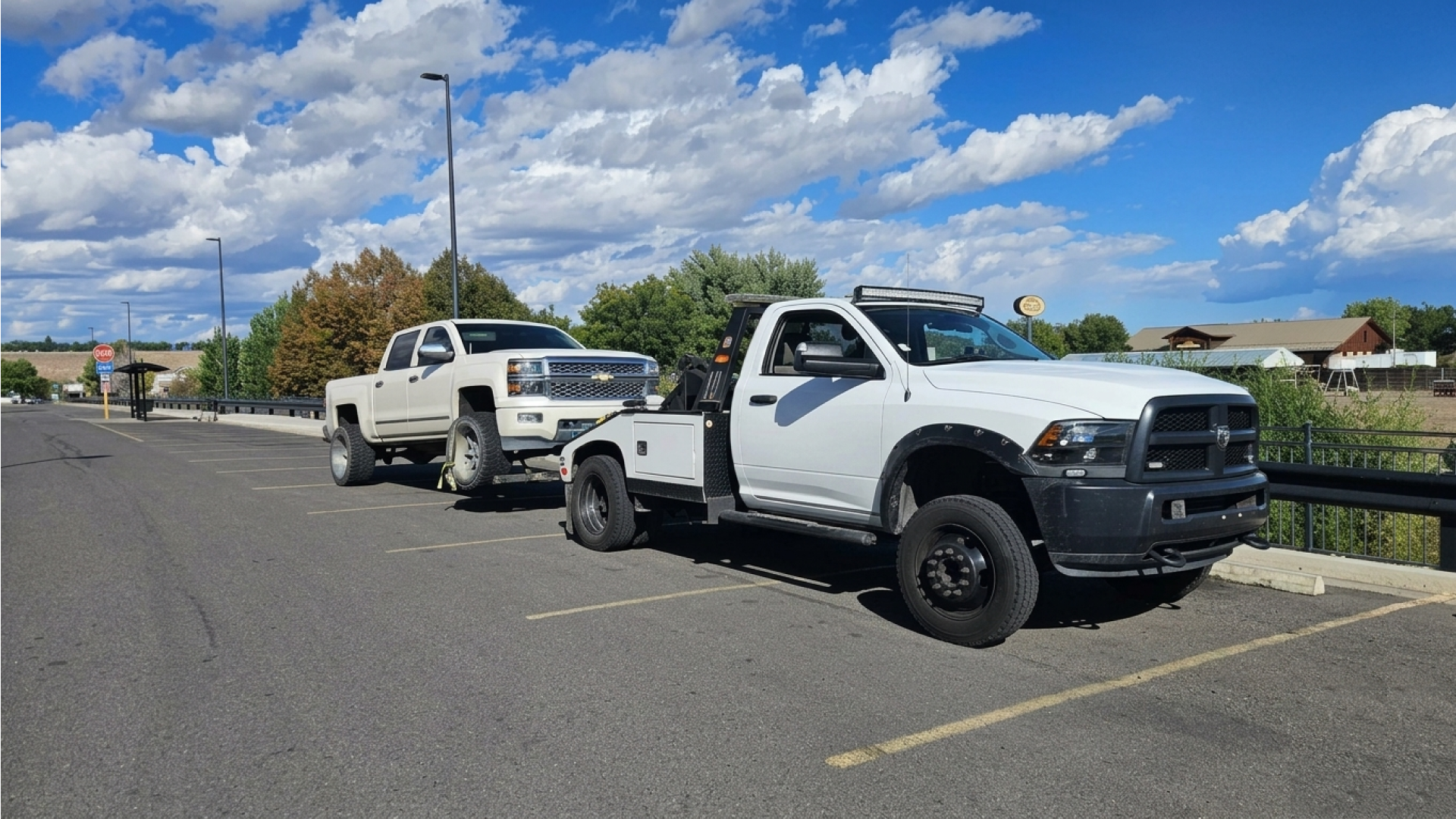
A vehicle breakdown can happen at the worst possible time—during a commute, on a busy road, in an unfamiliar neighborhood, or late at night. When it happens, knowing what to tell a tow company when your vehicle breaks down can make the entire process faster, safer, and more efficient. The information you provide helps the towing company understand your situation, determine what type of assistance you may need, and send appropriate equipment to your location.
For drivers in Chicago, the South Suburbs, and Northwest Indiana, AQA Towing provides towing and roadside assistance for situations ranging from breakdowns and accidents to flat tires, dead batteries, lockouts, and other roadside problems. The company emphasizes clear communication, professional service, and matching the right assistance to the vehicle and situation.
So, what information should you have ready when you call a tow company? Your location, vehicle information, the nature of the problem, your vehicle's condition, and any important safety concerns are among the most useful details. This guide explains exactly what to tell the dispatcher and why each piece of information matters.
Why Does the Information You Give a Tow Company Matter?
When you call for towing or roadside assistance, the dispatcher needs to understand more than simply, "My car broke down."
A vehicle that will not start could have a dead battery, mechanical failure, electrical problem, empty fuel tank, or another issue. Likewise, a vehicle with a flat tire may need a tire change rather than a full tow. A vehicle involved in an accident may require different handling than a normally functioning car that simply needs transportation.
Providing accurate information helps the towing company determine the appropriate response.
AQA Towing notes that accurate vehicle details, location, and vehicle condition can help prevent dispatch problems and ensure the appropriate equipment is sent. Incorrect or incomplete information can potentially lead to delays if the wrong equipment or service is initially dispatched.
In other words, the more clearly you explain what is happening, the easier it is for the tow company to help you.
What Should You Tell a Tow Company First?
The first priority is your exact location.
If you are calling from a roadside emergency, don't assume that saying the name of a nearby street or town is enough. Give the dispatcher as much location information as possible.
1. Give Your Exact Location
Tell the towing company:
The street name
Your direction of travel, if applicable
Your nearest intersection
A nearby landmark, business, exit, or mile marker
Whether you are on a highway, shoulder, parking lot, driveway, or side street
Your GPS location if you have it available
For example, instead of saying:
"I'm somewhere near Chicago."
A more useful description would be:
"I'm on the shoulder near [specific road/intersection], traveling east, just past the intersection."
If you are on a highway, provide the highway name and direction whenever possible.
Why Location Accuracy Matters
Location information affects both navigation and safety. A tow operator needs to know where the vehicle is physically located and whether it is in a difficult or potentially hazardous position.
AQA Towing specifically advises drivers requesting roadside assistance to provide their exact location, including GPS information when available, and to explain whether they are in a high-traffic or difficult spot. See these roadside safety tips while waiting for a tow truck for additional guidance.
If you're unsure of your exact location, use your phone's maps application to identify your position. Even a dropped pin or GPS coordinates can be extremely helpful.
What Vehicle Information Should You Provide?
After location, provide basic information about the vehicle.
Tell the dispatcher:
Make
Model
Approximate year, if known
Vehicle type
Color
License plate information, if requested
Whether it is a car, SUV, light truck, or van
For example:
"It's a black 2021 Ford Escape."
This helps the tow operator identify the correct vehicle when arriving at your location, especially in busy parking lots, crowded streets, or roadside areas.
AQA Towing provides towing for cars, SUVs, light trucks, and vans, and emphasizes the importance of matching equipment to the vehicle being handled.
Why Vehicle Type Matters
Not every vehicle should automatically be handled in exactly the same way.
Vehicle size, condition, drivetrain, ground clearance, and other characteristics can influence towing considerations. AQA Towing's guidance on choosing between flatbed and wheel-lift towing explains that vehicle characteristics and condition can affect the appropriate towing method.
You do not need to know which tow truck is required. Your job is simply to provide accurate information and let the towing professional determine the appropriate equipment.
How Should You Describe the Breakdown?
This is one of the most important things to tell a tow company.
Explain what happened, not just the fact that the vehicle stopped working.
For example:
"The engine suddenly shut off."
"The car won't start."
"I heard a loud noise before it stopped."
"The vehicle has a flat tire."
"The battery appears to be dead."
"The vehicle was involved in an accident."
"I ran out of fuel."
"The keys are locked inside."
"The vehicle starts but cannot be safely driven."
If you know what caused the problem, tell the dispatcher. If you don't know, that's completely fine.
Don't Guess About the Mechanical Problem
You don't need to diagnose your vehicle from the roadside.
Instead of telling the dispatcher, "The transmission is definitely broken," if you're not certain, describe the symptoms:
"The engine starts, but the vehicle won't move."
Or:
"The car was running normally, then it lost power and stopped."
Describing what you actually observed gives the towing company useful information without relying on an uncertain diagnosis.
Does the Vehicle Start and Move?
One particularly useful question is whether the vehicle is operational.
Tell the dispatcher:
Does it start?
Does it run?
Can it move under its own power?
Can it be driven safely?
Is the steering working?
Are the tires inflated?
Is there visible damage?
For example:
"The engine starts, but I don't feel comfortable driving it."
That is different from:
"The vehicle won't start at all."
This distinction can affect how the vehicle needs to be approached, loaded, and transported.
AQA Towing provides both towing and roadside services, including jump starts and battery replacement assistance, flat tire changes, lockout service, fuel delivery, and minor roadside repairs. In some situations, the appropriate response may therefore be roadside assistance rather than a full tow.
Do You Need a Tow or Roadside Assistance?
Not every breakdown requires the vehicle to be transported.
If your problem is a flat tire, dead battery, lockout, or another issue that can potentially be addressed at the roadside, tell the dispatcher exactly what is happening.
AQA Towing's roadside assistance services include:
Jump starts
Battery replacement assistance
Flat tire changes
Lockout service
Fuel delivery
Minor roadside repairs
The company also provides local and emergency towing when a vehicle needs transportation.
What If You Don't Know What Service You Need?
That's okay.
You can say:
"My vehicle won't start, and I'm not sure whether I need a jump start or a tow."
That gives the towing company an opportunity to ask follow-up questions and determine the most appropriate type of assistance.
The goal is not for you to know the technical answer. The goal is to provide enough information for the towing professional to make an informed decision.
Tell the Tow Company if You're in a Dangerous Location
Safety information is especially important during roadside emergencies.
Tell the dispatcher if:
You are stopped in an active traffic lane.
You are on a narrow shoulder.
You are near a busy intersection.
You are on a highway.
Your vehicle is blocking traffic.
You are in an area with poor visibility.
You are stranded somewhere unfamiliar.
The breakdown occurred at night.
Weather conditions are making the situation more difficult.
AQA Towing's roadside safety guidance recommends moving out of traffic when possible, using hazard lights, increasing vehicle visibility, and remaining in a safe location while waiting for assistance.
Why This Information Is Important
A tow operator needs to understand the environment surrounding the vehicle—not just the vehicle itself.
A car safely parked in a driveway is a very different roadside situation from a disabled vehicle sitting on the shoulder of a busy highway.
The more accurately you describe the location and surrounding conditions, the better prepared the service provider can be.
Tell the Tow Company About Visible Vehicle Damage
If the vehicle was involved in an accident, explain the extent of the damage as clearly as possible.
Mention things such as:
Significant front or rear damage
Damaged wheels
Flat or missing tires
Broken glass
Parts hanging from the vehicle
Fluid leaks
A vehicle that cannot roll
A vehicle that cannot steer normally
Don't attempt to move an accident-damaged vehicle if doing so could create additional danger.
AQA Towing provides accident recovery and breakdown towing, and its guidance emphasizes the importance of selecting appropriate equipment based on the vehicle's condition.
Should You Tell the Tow Company if the Vehicle Has Special Towing Requirements?
Yes.
If you know your vehicle has characteristics that could affect towing, mention them.
Examples include:
All-wheel drive
Very low ground clearance
Significant damage
Unusual vehicle size
A specialty vehicle
A vehicle that cannot roll normally
You don't necessarily need to know the technical towing procedure. Simply tell the dispatcher what you know.
AQA Towing's towing guidance explains that vehicle size, weight, drivetrain, and condition can influence how a vehicle should be transported. Drivers with all-wheel-drive vehicles can also review this guide to towing an all-wheel-drive vehicle.
What If You Don't Know the Towing Method?
Don't worry about choosing between different tow truck types yourself.
AQA Towing explains that professional dispatch involves matching the vehicle, location, and circumstances with appropriate equipment. See what happens if you choose the wrong tow truck for your vehicle for more information.
Give accurate information and let the towing company determine what is appropriate.
Tell the Dispatcher How Many People Are With You
This detail is easy to overlook.
If you're traveling with passengers, children, elderly individuals, or someone who needs additional assistance, mention it when requesting service.
You should also explain if anyone is in immediate danger.
While waiting for a tow, prioritize getting everyone to a safe location. AQA Towing's roadside safety guidance recommends keeping passengers together and avoiding unnecessary exposure to traffic.
What Information Should You Have Ready Before Calling?
When possible, gather the following information before contacting the tow company:
Location
Know your street, direction of travel, nearby intersection, highway exit, landmark, or GPS location.
Vehicle Details
Know the make, model, approximate year, color, and vehicle type.
Breakdown Description
Be prepared to explain what happened and what the vehicle is doing—or not doing.
Vehicle Condition
Tell them whether the vehicle starts, moves, rolls, steers, or has visible damage.
Safety Conditions
Mention traffic, weather, darkness, highway location, narrow shoulders, or other hazards.
Preferred Destination
If you already know where the vehicle needs to go, provide the destination.
For example, you may need the vehicle taken to a repair facility or another location. Giving the destination information early can help the towing company understand the complete service request.
A Simple Step-by-Step Process for Calling a Tow Company
When stress takes over, it's easy to forget what to say. A simple sequence can make the conversation easier.
Step 1: Get to a Safe Position
If possible, move the vehicle away from active traffic. Turn on the hazard lights and remain in a safe area.
Step 2: Identify Your Location
Use GPS or nearby landmarks to determine exactly where you are.
Step 3: Identify the Vehicle
Provide the make, model, color, and type of vehicle.
Step 4: Explain the Problem
Describe what happened and what you observed.
Step 5: Explain Whether the Vehicle Moves
Say whether it starts, runs, rolls, steers, or can be driven safely.
Step 6: Mention Damage or Special Conditions
Tell the dispatcher about accident damage, flat tires, AWD, low clearance, or anything else relevant.
Step 7: Explain the Safety Situation
Mention highway traffic, dangerous positioning, darkness, weather, or other concerns.
Step 8: Explain What You Need
If you know you need a tow, say so. If you're uncertain, explain the problem and ask whether roadside assistance may be appropriate.
Step 9: Follow the Dispatcher's Instructions
Once the service is arranged, follow the towing company's safety instructions and remain in a safe location while waiting.
What Are Common Mistakes Drivers Make When Calling for a Tow?
Even a simple towing request can become complicated when important information is missing.
Mistake 1: Giving an Incomplete Location
"I'm near the mall" may not be enough.
Provide a specific road, intersection, parking area, or GPS location whenever possible.
Mistake 2: Guessing at the Mechanical Problem
You don't need to diagnose the car. Describe symptoms instead.
Mistake 3: Forgetting to Mention Accident Damage
A damaged vehicle may require different handling than a normally operating vehicle.
Mistake 4: Not Saying the Vehicle Cannot Move
A vehicle that cannot roll or steer normally is important information for dispatch.
Mistake 5: Leaving Out Safety Concerns
Tell the dispatcher if you're stuck on a busy road, highway shoulder, or another hazardous location.
Mistake 6: Assuming Every Breakdown Requires a Tow
A flat tire, dead battery, lockout, or certain minor roadside issues may be addressed through roadside assistance. AQA Towing offers several roadside services in addition to towing.
Mistake 7: Continuing to Drive a Vehicle That May Be Unsafe
If the vehicle is showing serious signs of mechanical trouble, continuing to drive can potentially make the problem worse.
AQA Towing recommends prompt assistance after a breakdown because leaving a disabled vehicle exposed or attempting to continue driving with serious mechanical problems can increase risk.
What Should You Tell a Tow Company if You Are on a Highway?
Highway breakdowns require especially clear communication.
Tell the dispatcher:
Highway name or number
Direction of travel
Nearest exit or mile marker
Exact shoulder or roadside position
Whether the vehicle is partially blocking traffic
Whether the vehicle can move
Whether passengers are safe
Whether there are unusual hazards
If possible, use GPS to provide your location.
Most importantly, don't put yourself in danger just to obtain a more precise location. Your safety comes first.
What Should You Tell a Tow Company at Night?
Nighttime breakdowns require additional attention to visibility and safety.
Tell the dispatcher that it is nighttime and explain whether you are in a well-lit or poorly lit area.
Keep hazard lights activated when appropriate and avoid standing close to moving traffic. AQA Towing recommends staying in a safe location, remaining visible, and limiting unnecessary exposure to roadside traffic while waiting for help. See these roadside safety tips for more information.
If you have reflective equipment and can safely use it, visibility may also improve your roadside position.
How Clear Communication Can Reduce Towing Delays
Clear communication isn't just convenient—it can help make the dispatch process more efficient.
AQA Towing's guidance on dispatch accuracy explains that the goal is to send the right truck to the right location with the right information. Incomplete or incorrect details can create avoidable communication and equipment issues.
Think of the initial phone call as giving the tow company a quick picture of the entire situation:
Where are you?
What vehicle are you driving?
What happened?
Can the vehicle move?
Is there damage?
Is the location dangerous?
What type of assistance do you believe you need?
Answering those questions clearly gives the dispatcher a useful starting point.
What Information Should You Provide When Requesting a Tow Online?
If you use an online quote or service request instead of calling, provide the same core information.
AQA Towing's Get a Quote page allows customers to request an instant quote online and also provides a phone option for contacting the company. The page lists the company's South Chicago Heights address and phone number.
When submitting an online request, include:
Your location
Vehicle information
Description of the problem
Vehicle condition
Any visible damage
Whether the vehicle can move
Relevant safety information
Where the vehicle needs to go, if applicable
Avoid vague descriptions when the form gives you an opportunity to provide details.
Why Choosing a Local Towing Company Can Help
When you're stranded, local familiarity can be valuable.
AQA Towing serves Chicago, the South Suburbs, and Northwest Indiana and describes itself as a local towing and roadside service provider. Its website emphasizes fast local response times, experienced operators, modern equipment, and clear communication.
Local knowledge can be particularly useful when you are unfamiliar with a neighborhood, road layout, or surrounding community.
That doesn't eliminate the importance of providing an accurate location, but it can make the dispatch conversation easier and more efficient.
A Quick Mental Script for a Breakdown Call
If you're stressed and don't know where to begin, use this simple structure:
"My vehicle is located at [exact location]. It's a [year/make/model/color]. The problem started when [brief description]. The vehicle [does/doesn't] start and [can/cannot] move. There is [no visible damage/describe damage]. I'm currently [describe traffic or safety conditions]. I believe I need [tow/roadside assistance], but I'm not sure."
That gives a dispatcher most of the information needed to begin assessing the situation.
You don't need to sound technical. Clear and accurate is better than complicated.
Frequently Asked Questions About Calling a Tow Company After a Breakdown
1. What information does a tow truck company need when my car breaks down?
A towing company generally needs your exact location, vehicle make and model, the nature of the breakdown, vehicle condition, and any safety or accident-related concerns. If you know the destination for the vehicle, provide that as well.
2. What should I say when I call a tow truck?
Start with your location, then describe your vehicle and explain what happened. Tell the dispatcher whether the vehicle starts or moves and mention any visible damage or dangerous roadside conditions.
3. Do I need to know what is wrong with my car before calling a tow company?
No. You don't need to diagnose the mechanical problem. Describe the symptoms you observed, such as the engine not starting, a flat tire, unusual noises, loss of power, or the vehicle being unable to move.
4. Should I tell the tow company if my car cannot move?
Yes. Tell the dispatcher whether the vehicle starts, rolls, steers, or can be driven safely. This information can help the towing company determine the appropriate equipment and handling approach.
5. What should I tell a tow company if I break down on the highway?
Provide the highway, direction of travel, nearest exit or mile marker, exact position, and whether the vehicle is blocking traffic. Also explain whether passengers are safe and whether there are any unusual hazards.
6. Can I call a tow company for a dead battery or flat tire?
Yes. Depending on the situation, you may need roadside assistance rather than a full tow. AQA Towing offers jump starts, battery replacement assistance, flat tire changes, and other roadside services.
7. Should I tell the towing company if my vehicle was in an accident?
Absolutely. Explain the visible damage and whether the vehicle can roll, steer, or move. Accident-damaged vehicles can require different handling and towing considerations.
8. What should I do while waiting for a tow truck?
Move to a safe location if possible, use hazard lights, remain visible, and avoid standing near traffic. AQA Towing recommends prioritizing roadside safety and staying in a safe area while assistance is on the way.
9. Can I request AQA Towing online?
Yes. AQA Towing provides an online Get a Quote page where drivers can request assistance and provide relevant service information.
Conclusion: Give the Tow Company a Clear Picture of the Situation
When your vehicle breaks down, you don't need to become a towing expert. You simply need to communicate the situation clearly.
Start with where you are. Then explain what vehicle you have, what happened, whether it starts or moves, what damage is visible, and whether there are any safety concerns. If you aren't sure whether you need a tow or roadside assistance, say so and describe the problem.
These details can help the towing company understand your situation, coordinate the appropriate response, and avoid unnecessary delays. AQA Towing emphasizes accurate dispatch, professional operators, appropriate equipment, and clear communication for drivers throughout Chicago, the South Suburbs, and Northwest Indiana. Drivers can also learn more about choosing the right tow truck for their vehicle.
Most importantly, don't put yourself at risk trying to provide information or inspect your vehicle. Get to a safe position when possible, communicate what you know, and let trained professionals handle the towing or roadside assistance.
If you need towing or roadside assistance from AQA Towing, you can request service through the company's online Get a Quote page or contact the team directly.
