
What to Do If Your Vehicle Breaks Down During Rush Hour Traffic
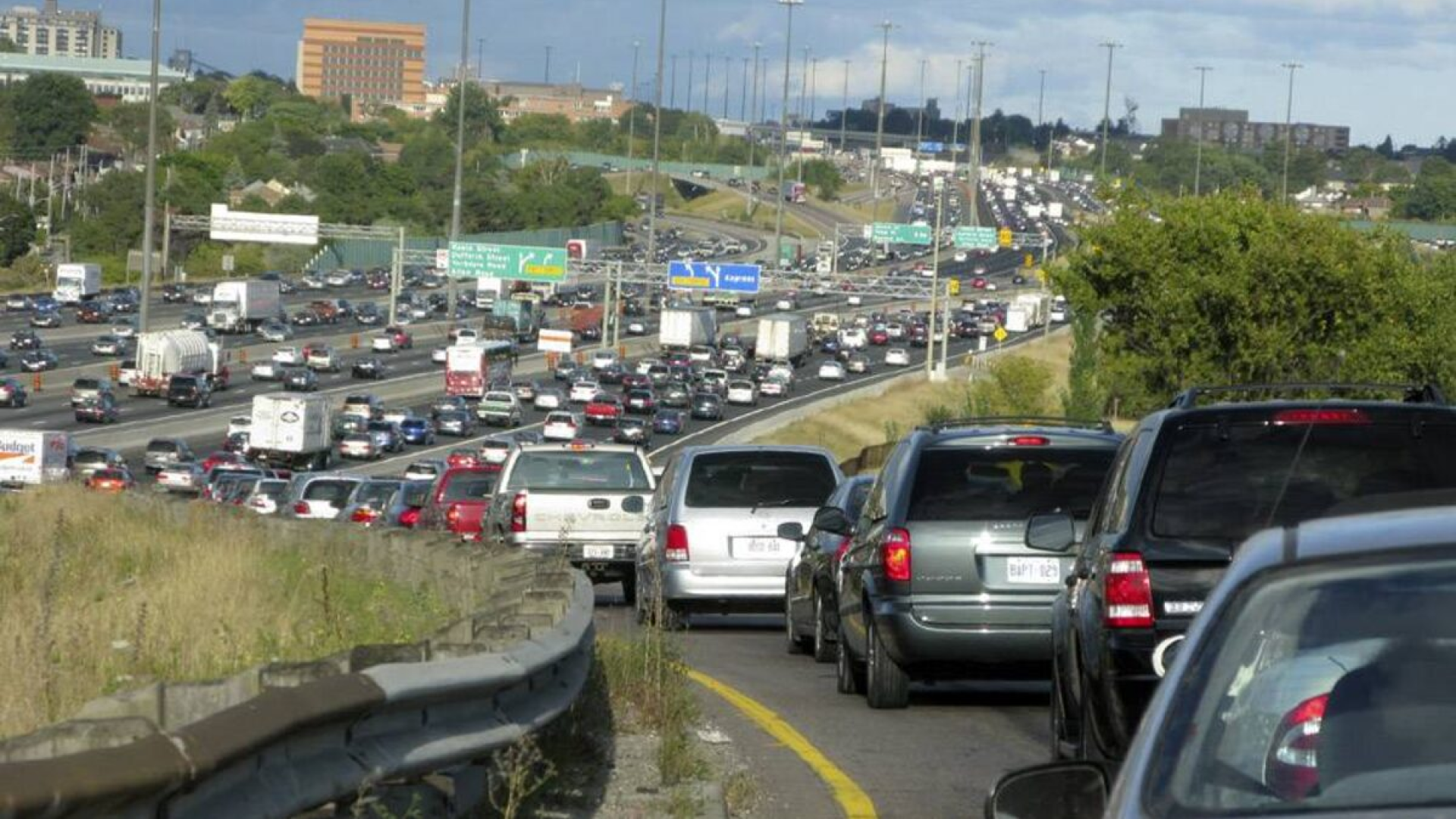
Few driving situations are as stressful as having your vehicle break down during rush hour traffic. Whether you're commuting to work, heading home, or traveling through a busy city, a sudden mechanical failure can leave you feeling overwhelmed and unsure of what to do next. With vehicles moving at high speeds and heavy congestion all around, knowing how to respond safely is far more important than trying to fix the problem immediately.
The good news is that following a few simple steps can significantly reduce your risk while helping you get back on the road as quickly and safely as possible. From securing your vehicle and contacting roadside assistance to understanding when professional towing is necessary, being prepared can make a difficult situation much easier to manage.
In this guide, we'll explain what to do if your vehicle breaks down during rush hour traffic, common mistakes to avoid, and how professional towing services can help you safely handle roadside emergencies.
Why Rush Hour Breakdowns Are More Dangerous
A vehicle breakdown can happen at any time, but rush hour presents additional challenges. Heavy traffic often means:
Reduced space to maneuver
Drivers changing lanes frequently
Stop-and-go traffic
Limited shoulder availability
Increased risk of rear-end collisions
Higher stress levels for everyone on the road
Because traffic is heavier, it's important to focus on safety first before worrying about repairs.
Stay Calm and Assess the Situation
Your first reaction plays an important role in keeping yourself and others safe. If your vehicle begins showing signs of trouble, avoid sudden movements or panic braking. Instead:
Keep both hands on the steering wheel.
Gradually reduce your speed.
Turn on your hazard lights immediately.
Check mirrors before changing lanes.
Look for the safest available place to stop.
Remaining calm allows you to make better decisions during a stressful situation.
Move Your Vehicle to a Safe Location If Possible
One of the most common questions drivers ask is:
"Should I keep driving if my car breaks down?"
The answer depends on the nature of the problem. If your vehicle can still move safely, try to reach:
The highway shoulder
An emergency pull-off area
A nearby parking lot
A service station
A wide side street away from moving traffic
Avoid stopping in:
Active traffic lanes
Blind curves
Bridge crossings
Tunnel entrances
Busy intersections
Moving even a short distance to a safer location can significantly reduce the risk of an accident. If you find yourself completely immobilized in a highly congested area, knowing what to do if your vehicle is immobile on a busy Chicago suburb road can provide extra peace of mind.
Turn On Your Hazard Lights
Hazard lights are one of the simplest yet most effective safety tools available. They alert surrounding drivers that your vehicle is experiencing a problem and encourage them to slow down or change lanes. If visibility is poor due to rain, fog, or darkness, hazard lights become even more important. Leave them activated until help arrives or your vehicle is safely moved.
Keep Yourself Visible
If your vehicle is stopped on or near a roadway, visibility is critical. During daylight, your hazard lights may be sufficient. At night or during poor weather, additional precautions help other motorists recognize your disabled vehicle sooner. If it's safe to do so, reflective warning devices may improve visibility while you wait for assistance.
Decide Whether to Stay Inside the Vehicle
Many drivers wonder:
"Should I stay inside my car after breaking down?"
In many situations, especially on busy highways, remaining inside your vehicle with your seat belt fastened is often the safest option if you're stopped on the shoulder. Reviewing roadside safety tips while waiting for a tow truck especially late nights can help you decide the best course of action depending on your surroundings.
However, every situation is different. If your vehicle is in an unsafe position—such as in an active traffic lane or if there is an immediate danger like smoke or fire—move to a safe location away from traffic as quickly as possible. Always prioritize personal safety over protecting the vehicle.
Avoid Attempting Repairs in Heavy Traffic
It may be tempting to inspect the engine or change a tire immediately. During rush hour, however, working next to moving traffic can be extremely dangerous. Understanding why a tow truck tire change might be safer than DIY highlights the risks of working right next to fast-moving commuter traffic. Unless you're safely off the roadway and confident the repair can be completed without risk, it's generally safer to wait for professional roadside assistance.
Contact a Professional Towing or Roadside Assistance Service
Once you're safely stopped, determine whether the issue requires professional assistance. Learning how to know when your car needs professional towing not just a quick fix can help you make a fast decision on the side of the road.
Common situations that often require towing include:
Engine failure
Transmission problems
Overheating
Accident damage
Suspension failure
Severe tire damage
Electrical system failure
When contacting a towing company, be prepared to provide:
Your exact location
Vehicle make and model
Description of the problem
Nearby landmarks
Whether the vehicle can still move
Accurate information helps dispatch the appropriate equipment and reduces delays. Why clear communication matters when requesting a tow truck is critical here, as it ensures the team can arrive quickly and properly equipped.
Use Navigation Tools to Share Your Location
One challenge during highway breakdowns is identifying your exact location. Helpful location details include:
Highway name
Exit number
Mile marker
Nearby intersections
GPS location
Visible landmarks
The more precise your location, the faster roadside assistance can find you. Many modern companies rely on advanced systems; understanding [the role of GPS tracking in faster tow truck dispatch](https://www.aqatowing.com/blog/the-role-of-gps-tracking- in-faster-tow-truck-dispatch) demonstrates how quickly dispatchers can track your coordinates to get a truck to you.
Stay Aware of Surrounding Traffic
While waiting for help, remain alert. Continue monitoring traffic around your vehicle. Watch for:
Distracted drivers
Emergency vehicles
Changing weather
Road hazards
Avoid standing between your vehicle and passing traffic whenever possible.
Common Reasons Vehicles Break Down During Rush Hour
Rush hour doesn't necessarily cause vehicle failures, but it often exposes existing problems. Reviewing the top 7 common reasons people call us after midnight shows how common unexpected failures are at any hour of the day.
Common causes include:
Engine Overheating
Stop-and-go traffic limits airflow through the radiator, making overheating more likely.
Dead Battery
Frequent short trips and electrical demands can contribute to battery issues. Knowing the difference between a jump start vs full battery replacement can help you communicate what kind of assistance you might need.
Flat Tires
Road debris and worn tires can result in unexpected punctures.
Fuel Problems
Running low on fuel becomes even more problematic in congested traffic. In these cases, reaching out for a quick fuel delivery & emergency gas run can solve the problem without needing a full vehicle haul.
Mechanical Failures
Belts, hoses, cooling systems, and other components may fail without warning.
Routine maintenance helps reduce the likelihood of these issues.
How Preventive Maintenance Reduces Breakdown Risk
Many roadside emergencies can be minimized through regular vehicle maintenance. If you are planning a trip, looking over a guide on preparing for a road trip: how to avoid needing emergency towing is a great way to handle potential issues before hitting traffic.
Routine inspections should include:
Tire pressure
Battery condition
Engine oil
Coolant levels
Brake performance
Belts and hoses
Lights
Windshield wipers
Addressing small problems early often prevents major breakdowns later.
What Information Should You Give the Towing Company?
To help speed up service, provide as much information as possible. Include:
Your Location
Be as specific as possible.
Vehicle Information
Share:
Make
Model
Year
Color
Nature of the Problem
Explain what happened. Examples include:
Engine won't start
Flat tire
Vehicle overheated
Transmission failure
Destination
Let the towing company know whether the vehicle needs to be transported to:
A repair shop
Your home
A dealership
Another location
Mistakes to Avoid During a Rush Hour Breakdown
Several common mistakes can increase danger. Avoid:
Stopping Suddenly: Abrupt braking can cause rear-end collisions.
Leaving Hazard Lights Off: Other drivers need advance warning.
Standing in Traffic: Never place yourself between moving vehicles.
Ignoring Warning Signs: Unusual noises, overheating, or dashboard warning lights should not be ignored.
Delaying Assistance: Waiting too long to request help may prolong your exposure to roadside hazards. Remember that why prompt towing after a breakdown prevents further vehicle damage is an important consideration for your safety and your car's mechanical health.
How Professional Towing Services Help During Rush Hour
Experienced towing professionals understand the unique challenges of heavy traffic. They can assist by:
Responding with appropriate towing equipment
Helping remove disabled vehicles from hazardous locations
Transporting vehicles safely
Coordinating roadside assistance when appropriate
Reducing traffic disruptions
Professional assistance allows drivers to focus on their own safety while trained operators handle the recovery process. Knowing what to expect when you call AQA Towing can alleviate the anxiety of waiting during a stressful commute.
Preparing for Future Roadside Emergencies
No one expects a breakdown, but being prepared can make the experience less stressful. Consider keeping these items in your vehicle:
Flashlight
Phone charger
Reflective safety vest
First-aid kit
Drinking water
Emergency contact numbers
Having these essentials readily available can improve both safety and convenience during unexpected situations.
Frequently Asked Questions
What should I do first if my car breaks down in rush hour traffic? Turn on your hazard lights immediately, stay calm, and safely move your vehicle to the shoulder or another secure location if possible.
Is it safe to stay inside my vehicle while waiting for a tow truck? If you're safely stopped on the shoulder of a busy road, remaining inside with your seat belt fastened is often the safest option unless there is an immediate hazard such as fire or smoke.
Should I try to repair my vehicle on the side of a busy highway? Unless you're in a safe location and the repair can be completed without exposing yourself to traffic, it's generally better to wait for professional roadside assistance.
What information should I provide when requesting a tow? Provide your exact location, vehicle make and model, the nature of the problem, and where you want the vehicle transported.
How can I make it easier for a tow truck to find me? Share highway names, exit numbers, mile markers, GPS coordinates, or nearby landmarks to help pinpoint your location.
What are the most common causes of rush hour breakdowns? Engine overheating, flat tires, battery failures, mechanical issues, and running out of fuel are among the most common reasons.
Can regular maintenance help prevent roadside emergencies? Yes. Routine inspections and timely maintenance greatly reduce the likelihood of unexpected vehicle breakdowns.
When should I call a towing company instead of roadside assistance? If your vehicle cannot be safely driven or repaired on-site due to mechanical failure, accident damage, or other serious issues, professional towing is often the safest solution.
Conclusion
Breaking down during rush hour traffic is never convenient, but knowing how to respond can make the situation much safer. Prioritizing your safety, moving your vehicle to a secure location when possible, using your hazard lights, and contacting a professional towing service are the most important steps you can take.
While vehicle problems can't always be prevented, staying calm, practicing regular maintenance, and understanding what to do in an emergency can help you handle unexpected breakdowns with greater confidence. A well-prepared response not only protects you and your passengers but also helps keep other motorists safe during busy traffic conditions.
Get Reliable Roadside Assistance from AQA Towing
When your vehicle breaks down during rush hour or any other time, dependable assistance can make all the difference. AQA Towing provides professional towing and roadside support to help drivers safely navigate unexpected vehicle emergencies.
If you need prompt towing services or want to learn more about available roadside solutions, visit the AQA Towing website or request a quote online. Having an experienced towing partner ready to assist can provide valuable peace of mind whenever the unexpected happens.
