
How Towing Companies Secure Vehicles for Long Drives
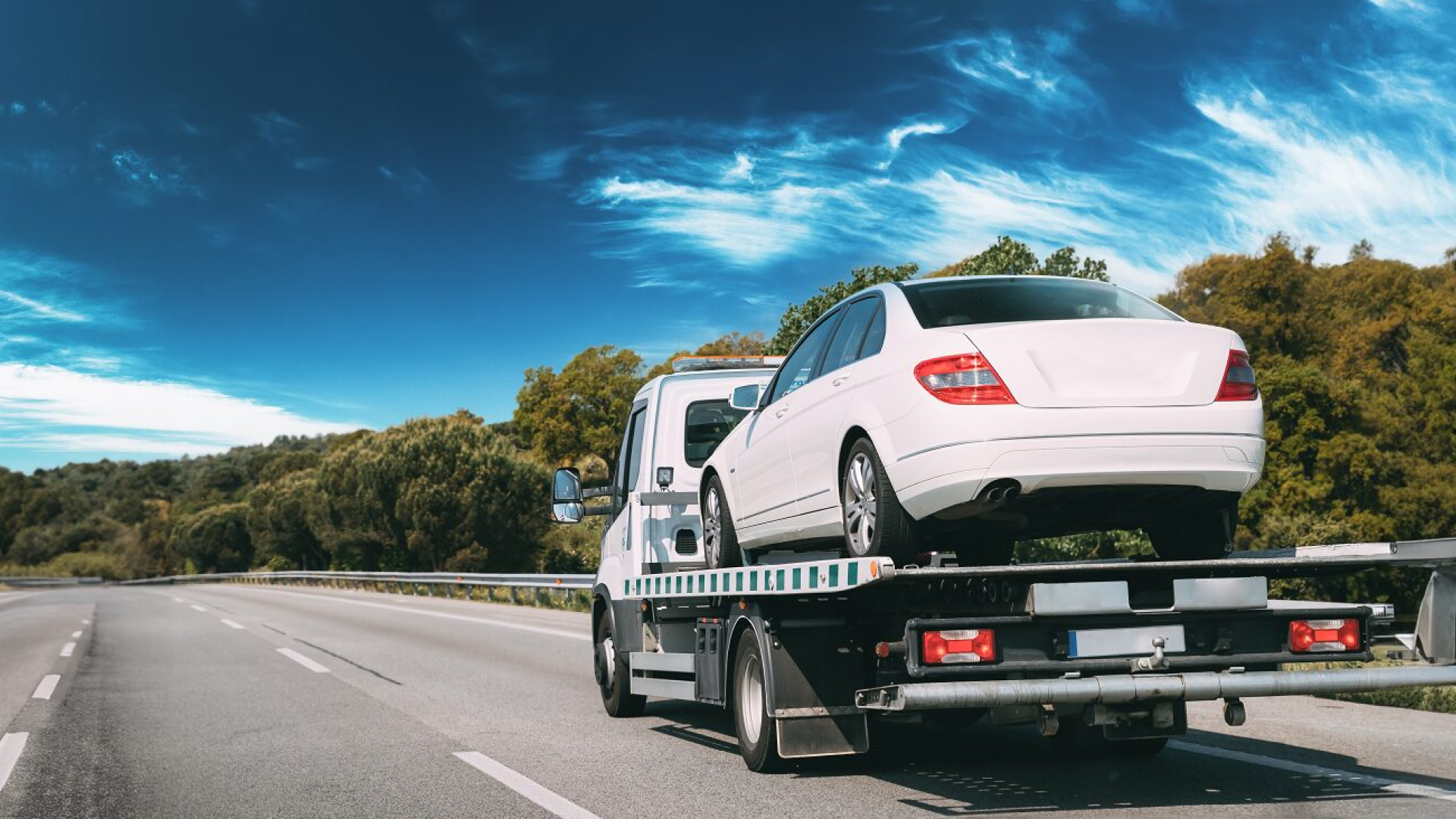
When a vehicle needs to be transported over a long distance, safety becomes the top priority. Whether the vehicle is being moved to a repair facility, transported after a breakdown, delivered to a new owner, or relocated across cities or states, proper securement is essential to ensure it arrives in the same condition it left.
Many vehicle owners understandably wonder what happens once their car is loaded onto a tow truck. How is the vehicle kept stable during hours of driving? What prevents it from shifting, rolling, or sustaining damage during transport? The answer lies in a combination of specialized equipment, professional procedures, and experienced operators who understand how to safely transport vehicles over long distances.
In this guide, we'll explore how towing companies secure vehicles for long drives, why proper securement matters, and the steps professionals take to protect vehicles throughout the transportation process.
Why Proper Vehicle Securement Is So Important
Long-distance towing presents unique challenges compared to short local transports. During extended trips, a tow truck may encounter:
Highway speeds
Sudden stops
Traffic congestion
Sharp turns
Rough road surfaces
Construction zones
Changing weather conditions
Without proper securement, a vehicle could shift during transport, increasing the risk of damage and creating potential safety hazards. Professional towing companies follow established procedures designed to keep vehicles stable and secure from pickup to delivery to prevent the hidden costs of poorly performed tows.
What Does Vehicle Securement Mean?
Vehicle securement refers to the process of safely attaching and stabilizing a vehicle on a tow truck or transport platform. The goal is to:
Prevent movement during transit
Protect the vehicle from damage
Maintain road safety
Ensure compliance with transportation standards
Proper securement involves much more than simply loading a vehicle and driving away. Every vehicle requires careful preparation and inspection before transportation begins. Learning how to prepare for long-distance towing can help vehicle owners understand this critical phase.
How Towing Companies Prepare a Vehicle for Transport
Before securing a vehicle, experienced towing operators perform an initial assessment.
Evaluating Vehicle Condition
The operator examines:
Vehicle size and weight
Tire condition
Ground clearance
Existing damage
Drivetrain configuration
Overall transport requirements
This evaluation helps determine the safest loading and securement method, which is highly beneficial when dealing with specific situations like what happens to your car after an accident.
Choosing the Appropriate Tow Truck
Not every towing situation requires the same equipment. Depending on the vehicle and distance involved, towing companies may use flatbed tow trucks, wheel-lift tow trucks, or specialty transport equipment. Knowing what happens if you choose the wrong tow truck highlights why certified operators carefully evaluate each call.
For many long-distance transports, flatbed towing is often preferred because it keeps all four wheels off the road and provides maximum stability during travel.
Why Flatbed Towing Is Common for Long-Distance Transport
When people ask, "What is the safest way to tow a car long distance?" flatbed towing is frequently part of the answer. When analyzing options like choosing between flatbed, wheel-lift, and flat tire solutions, flatbeds stand out for long hauls.
Complete Vehicle Support
A flatbed truck supports the entire vehicle on a level platform. This offers several advantages:
Reduced wear on tires
Protection for drivetrains
Improved vehicle stability
Better protection from road hazards
Because the vehicle remains fully elevated, there is less risk of damage caused by prolonged road contact or what causes transmission damage during improper towing.
Ideal for Various Vehicle Types
Flatbed towing is often used for:
Luxury vehicles
Sports cars
SUVs
Electric vehicles
Classic cars
Vehicles with mechanical damage
The versatility of flatbeds makes them a common choice for long-distance transportation.
The Role of Wheel Straps in Vehicle Securement
One of the most important securement tools used during transport is the wheel strap.
How Wheel Straps Work
Wheel straps wrap securely around the vehicle's tires and attach to anchor points on the tow truck. Unlike methods that place pressure on suspension components or vehicle frames, wheel straps secure the vehicle through the tires. This helps:
Minimize movement
Reduce stress on vehicle components
Improve overall transport stability
When properly installed, wheel straps help keep the vehicle firmly positioned on the transport platform.
Heavy-Duty Tie-Down Systems
In addition to wheel straps, towing companies use specialized tie-down systems.
Purpose of Tie-Downs
Tie-down equipment helps:
Restrict forward movement
Prevent side-to-side shifting
Maintain vehicle alignment during transport
Professional-grade tie-downs are designed to withstand significant forces generated during long-distance travel, resolving concerns about whether can towing damage your car.
Multiple Attachment Points
Rather than relying on a single restraint, experienced operators typically secure vehicles using multiple attachment points. This creates a balanced securement system that distributes forces evenly across the vehicle.
How Towing Professionals Prevent Vehicle Movement
One of the primary goals during transport is eliminating unnecessary movement.
Tensioning Procedures
After straps and tie-downs are installed, operators carefully tighten and adjust the securement system. Proper tension helps ensure:
The vehicle remains stable
Straps stay secure
Excess movement is minimized
Too little tension may allow shifting, while excessive tension could place unnecessary stress on components. Experienced operators understand how to achieve the correct balance.
Stability Checks
Before beginning a long trip, towing professionals perform stability checks to confirm:
All restraints are properly installed
Anchor points are secure
The vehicle remains centered on the platform
These inspections are a critical part of safe transportation.
Vehicle Weight Distribution Matters
Many drivers don't realize that weight distribution plays a major role in towing safety.
Why Weight Placement Is Important
Improperly positioned vehicles can affect:
Steering performance
Braking effectiveness
Vehicle stability
Tow truck handling
Experienced towing operators carefully position vehicles to maintain balanced weight distribution across the transport platform. This improves safety for both the transported vehicle and the tow truck itself.
Special Considerations for Luxury and High-Value Vehicles
Luxury vehicles often require additional care during long-distance transport.
Low Ground Clearance Challenges
Performance vehicles frequently sit closer to the ground than standard passenger cars. Loading these vehicles requires careful attention to:
Approach angles
Ramp placement
Clearance concerns
Specialists trained in towing lowered, luxury, or sports cars without damage use specialized techniques to avoid scraping bumpers, spoilers, or undercarriage components.
Paint and Finish Protection
High-value vehicles may receive additional precautions designed to minimize the risk of cosmetic damage during transport. Attention to detail becomes especially important when transporting vehicles with premium finishes or collector value.
How Electric Vehicles Are Secured for Long Drives
Electric vehicles continue to grow in popularity, and towing companies increasingly transport them.
Unique EV Considerations
Electric vehicles often have:
Battery packs mounted underneath
Specialized drivetrains
Manufacturer-specific towing requirements
Experienced towing professionals understand these considerations and use securement methods appropriate for roadside assistance for electric & hybrid vehicles. Flatbed transport is commonly used because it helps protect critical vehicle systems and delicate components, as detailed in guides regarding how professional towing protects modern vehicle sensors & ADAS.
Securing Damaged or Non-Operational Vehicles
Vehicles involved in accidents or severe breakdowns may present additional challenges.
Limited Mobility
Some vehicles may have:
Locked wheels
Suspension damage
Steering issues
Structural damage
In these cases, operators often utilize custom approaches, such as understanding how towing companies handle vehicles with brake failure to safely load and secure the vehicle.
Customized Securement Approaches
Every damaged vehicle is different. Experienced towing companies assess the condition carefully and develop a securement strategy based on the vehicle's specific circumstances.
Weather Considerations During Long-Distance Towing
Long-distance routes often involve changing weather conditions.
Rain and Wet Roads
Wet conditions can affect road traction, braking distances, and transport stability.
Wind Exposure
Crosswinds can place additional forces on both the tow truck and transported vehicle.
Temperature Changes
Extended travel may expose vehicles to varying temperatures and environmental conditions, much like how weather & seasonal changes affect roadside breakdowns. Professional towing companies account for these factors when planning transportation and inspecting securement systems.
Regular Inspections During Transport
Vehicle securement doesn't end once the truck begins moving.
Ongoing Monitoring
During long trips, experienced operators periodically inspect:
Strap tension
Anchor points
Vehicle positioning
Securement hardware
These inspections help identify potential issues before they become problems.
Preventive Safety Measures
Routine checks are an important part of maintaining transport safety throughout the journey. They help ensure the vehicle remains secure from departure to destination.
Common Mistakes Professional Towing Companies Avoid
Experienced towing providers understand the risks associated with improper securement. Common mistakes they work to avoid include:
Insufficient Securement Points: Using too few restraints may increase vehicle movement.
Incorrect Strap Placement: Improper positioning can affect stability and potentially damage vehicle components.
Poor Weight Distribution: Uneven loading can impact towing performance and safety.
Skipping Inspections: Failure to verify securement can increase transportation risks.
Professional operators follow strict guidelines to minimize these concerns, showcasing what makes a tow operator certified.
Benefits of Professional Vehicle Securement
When towing companies follow proper securement practices, vehicle owners benefit in several ways.
Increased Safety: Properly secured vehicles remain stable throughout transportation.
Reduced Risk of Damage: Correct loading and restraint methods help protect vehicle components.
Greater Peace of Mind: Owners can feel more confident knowing their vehicle is being transported using professional procedures.
Reliable Long-Distance Transportation: Effective securement contributes to smoother and more dependable transport outcomes.
Frequently Asked Questions
How do towing companies keep vehicles from moving during transport? They use wheel straps, tie-down systems, secure anchor points, and proper tensioning procedures to stabilize vehicles throughout the trip.
Is flatbed towing safer for long-distance transport? Flatbed towing is often preferred for long drives because the entire vehicle remains elevated and supported on a stable platform, avoiding complications that arise when towing an all-wheel drive vehicle.
How many tie-downs are typically used? The exact number varies based on the vehicle and equipment used, but professional operators generally use multiple securement points for maximum stability.
Can luxury cars be safely transported long distances? Yes. Experienced towing companies use specialized loading and securement methods designed to protect luxury, exotic, and high-value vehicles.
How are electric vehicles secured? Electric vehicles are typically transported using methods that follow manufacturer recommendations, often involving flatbed towing and specialized securement procedures.
What happens if a vehicle is damaged before transport? Operators typically assess the vehicle's condition and use securement methods appropriate for its specific damage and transport needs.
Are securement systems checked during long trips? Yes. Professional operators often perform periodic inspections to ensure straps, tie-downs, and anchor points remain secure throughout transportation.
Why is weight distribution important during towing? Proper weight distribution improves stability, handling, braking performance, and overall transport safety.
Conclusion
Long-distance vehicle transportation involves much more than loading a car onto a tow truck. Professional towing companies use specialized equipment, proven securement techniques, and careful planning to ensure vehicles remain safe throughout the journey.
From wheel straps and tie-down systems to weight distribution and ongoing inspections, every step plays an important role in protecting the vehicle and maintaining transportation safety. Whether transporting a family sedan, luxury vehicle, electric car, or non-operational vehicle, proper securement helps reduce risks and provides confidence that the vehicle will arrive safely at its destination.
For vehicle owners, understanding how towing companies secure vehicles for long drives offers valuable insight into the professionalism and attention to detail required for safe, reliable transportation.
Request Professional Towing Assistance from AQA Towing
When your vehicle needs transportation, choosing a towing company that prioritizes safety and proper securement can make all the difference. AQA Towing is committed to providing dependable towing services while using professional procedures designed to protect vehicles throughout transport.
To learn more about available towing solutions or request a quote, visit the AQA Towing website and connect with a team dedicated to safe, efficient, and professional vehicle transportation.
