
When Is a Breakdown Tow Better Than Trying to Restart Your Vehicle?
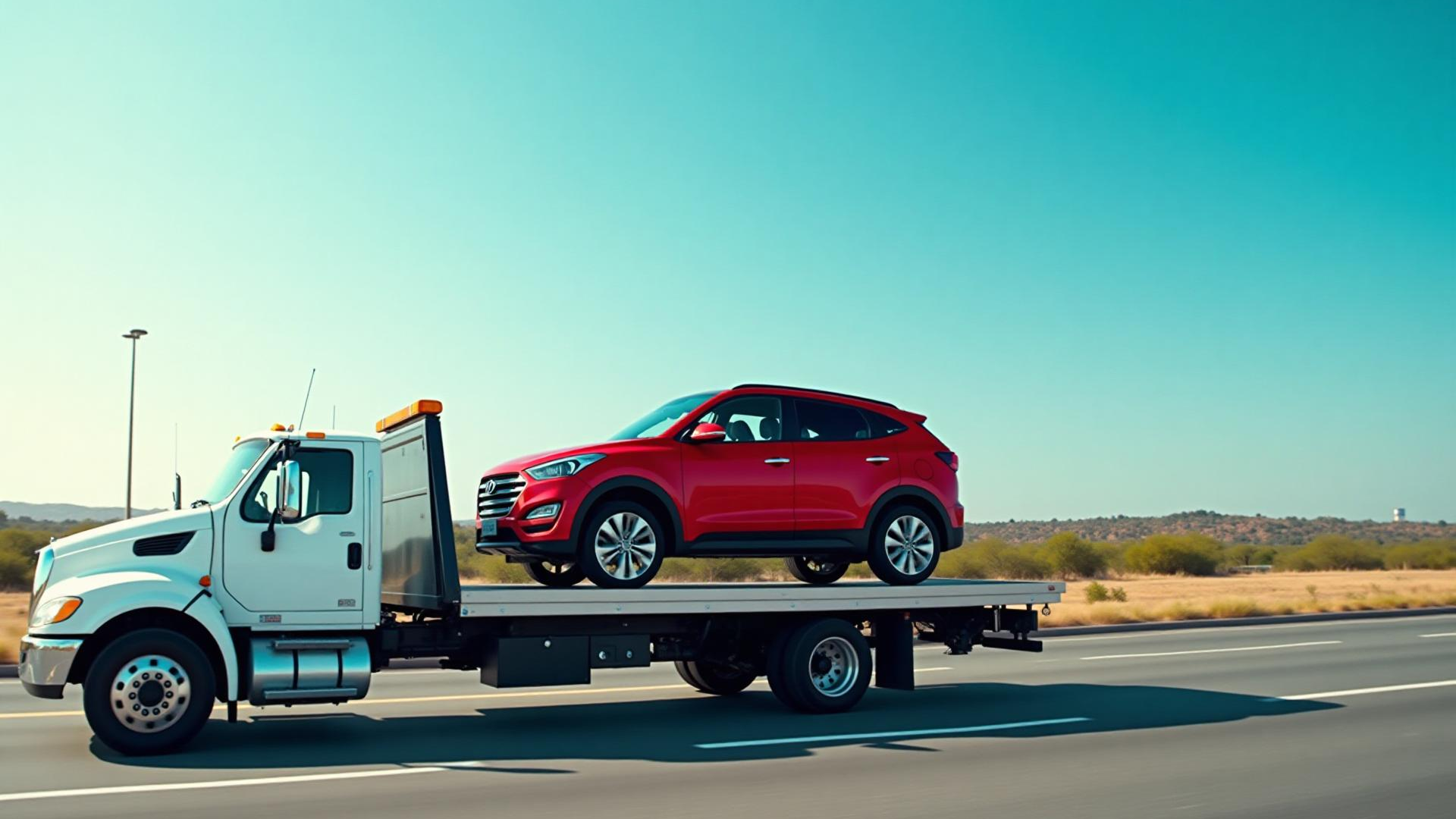
When a vehicle suddenly stops running, the first instinct is often to try starting it again. Sometimes that makes sense. A dead battery, for example, may simply need a jump start. But repeatedly turning the key or pressing the start button is not always the right response. In some situations, a breakdown tow is safer and more practical than trying to restart your vehicle.
Knowing when to stop attempting a restart can help prevent additional vehicle damage and reduce your exposure to roadside traffic. For drivers in Chicago, the South Suburbs, and Northwest Indiana, AQA Towing provides breakdown towing and roadside assistance for vehicles experiencing a variety of roadside problems. Its services include towing as well as jump starts, flat tire changes, lockout service, fuel delivery, battery replacement assistance, and minor roadside repairs.
The key question isn't simply, "Will the car start?" It's whether the vehicle is safe to restart and drive. This guide explains the signs that indicate a tow may be the better choice, when roadside assistance could be enough, and what drivers should do when a vehicle breaks down unexpectedly.
What Is a Breakdown Tow?
A breakdown tow is a towing service used when a vehicle becomes disabled because of a mechanical, electrical, tire, fuel, or other problem and cannot safely continue its journey.
Instead of attempting to get the vehicle running and driving it to a destination, a tow truck transports it to an appropriate location, such as a repair facility or another destination selected by the vehicle owner.
A breakdown can take many forms. The vehicle may:
Suddenly lose power
Refuse to start
Stop running while driving
Develop a serious mechanical problem
Have a damaged or flat tire
Experience an electrical problem
Become unsafe to drive
Become immobilized after another roadside issue
AQA Towing lists breakdown towing among its services and also provides roadside assistance for situations where an on-site solution may be possible.
When Should You Stop Trying to Restart Your Vehicle?
There is no universal rule that says a vehicle should never be restarted after it stalls. However, repeated attempts are a poor idea when the vehicle is showing signs of a potentially serious problem.
Consider requesting a breakdown tow if:
The vehicle stopped unexpectedly while driving.
You hear unusual grinding, knocking, or loud mechanical noises.
You see smoke or signs of overheating.
You smell burning.
Fluid is leaking from the vehicle.
Warning indicators appeared before or during the breakdown.
The vehicle starts but immediately shuts off again.
The engine turns over but doesn't start after reasonable attempts.
The vehicle starts but cannot move properly.
Steering or braking does not feel normal.
A tire or wheel has significant damage.
The vehicle was involved in an accident.
You are not confident the vehicle is safe to drive.
The important distinction is between a vehicle that won't start and a vehicle that shouldn't be driven even if it does start.
Why Isn't Repeatedly Restarting a Disabled Vehicle Always a Good Idea?
A restart attempt doesn't necessarily solve the underlying problem.
If the vehicle stopped because of a significant mechanical or electrical issue, repeatedly trying to restart it may not accomplish anything. More importantly, getting the engine running again does not automatically mean the vehicle is safe to drive.
For example, suppose your vehicle suddenly loses power while traveling. You pull over, wait briefly, and the engine starts again.
That might seem like the problem has disappeared.
But if the original cause has not been identified, the vehicle could potentially lose power again farther down the road.
Prompt towing after a breakdown can help drivers understand why continuing to drive a vehicle with an unresolved problem may potentially make an existing issue worse.
The safest choice depends on the symptoms and circumstances.
Is a Vehicle That Starts Automatically Safe to Drive?
No.
This is one of the most important points for drivers to understand.
A vehicle can start and still have a serious problem.
Consider these examples:
The Engine Starts but Makes a Loud Noise
If the vehicle starts but immediately produces an unfamiliar grinding, knocking, or other severe mechanical noise, continuing to drive may be unwise.
The Vehicle Starts but Overheats
An overheating vehicle should not simply be restarted repeatedly and driven as though nothing happened.
The Vehicle Starts but Won't Move
If the engine runs but the vehicle doesn't move normally, the problem may involve a drivetrain or transmission-related issue.
The Vehicle Starts but Steering or Braking Feels Abnormal
A vehicle that does not respond normally to steering or braking should not be treated as a routine restart situation.
The Vehicle Starts but Warning Signs Remain
If significant warning indicators or unusual operating symptoms remain after restarting, driving away may not be the best decision.
In these situations, a breakdown tow can be more appropriate than attempting to continue the trip.
When Is a Restart Attempt Reasonable?
Not every breakdown requires a tow truck.
Some roadside problems can potentially be resolved without transporting the vehicle.
AQA Towing's roadside assistance services include jump starts, battery replacement assistance, flat tire changes, fuel delivery, lockout service, and minor roadside repairs.
Dead Battery
If the vehicle's electrical system appears weak and the engine won't crank, a jump start may be appropriate.
If the vehicle starts after assistance and there are no other indications of a problem, the situation may not require a tow.
However, if the vehicle repeatedly loses power or will not remain operational, professional towing may be the better option.
Flat Tire
A flat tire does not automatically mean the entire vehicle needs to be towed.
If the tire can safely be changed and the vehicle is otherwise operational, roadside tire assistance may solve the problem.
Flat tire assistance can be useful when changing the tire yourself may not be the safest option.
Running Out of Fuel
If an otherwise functioning vehicle runs out of fuel, fuel delivery may be sufficient.
Fuel delivery is among the roadside assistance options available from AQA Towing.
Locked Keys
A vehicle lockout generally doesn't require towing.
Lockout assistance can help drivers who are unable to access their vehicles.
The broader lesson is simple: a roadside problem doesn't automatically equal a towing problem.
What Signs Suggest You Should Tow Instead of Restart?
Certain warning signs should make drivers more cautious.
1. The Vehicle Stopped While You Were Driving
If the engine unexpectedly shuts down while the vehicle is moving, don't assume a restart means the issue is resolved.
Loss of power can have multiple causes, and an unexplained shutdown deserves attention.
If you restart the vehicle and it appears normal, consider the circumstances carefully before driving away.
2. You Hear Unusual Mechanical Sounds
Grinding, severe knocking, squealing, or other unfamiliar noises can indicate a mechanical problem.
If the noise is significant or appears immediately after the breakdown, continuing to drive may not be worth the risk.
3. You Smell Something Burning
A strong burning odor is a reason to take the situation seriously.
Don't assume the smell will disappear after restarting the vehicle.
If the source isn't obvious and the vehicle does not appear safe, requesting professional assistance may be the better option.
4. You See Smoke
Smoke coming from a vehicle should not be ignored.
Turn the vehicle off when it is safe to do so, move away from traffic when possible, and seek appropriate assistance.
5. You See Fluid Leaking
Visible fluid underneath the vehicle can be a warning sign of a mechanical problem.
Different fluids can originate from different vehicle systems, and identifying the source may require professional inspection.
If the vehicle has experienced a breakdown and is leaking fluid, a tow can be safer than attempting to drive it.
6. The Vehicle Overheats
An overheating vehicle should not simply be restarted and driven again without addressing the underlying issue.
Continuing to operate an overheating vehicle can potentially make the problem worse.
7. The Vehicle Won't Move
If the engine starts but the vehicle won't move normally, don't repeatedly attempt to force it forward.
A towing professional can assess the situation and transport the vehicle if necessary.
8. Steering or Braking Feels Wrong
Problems with steering or braking are particularly serious because these systems directly affect your ability to control the vehicle.
If the vehicle does not respond normally, avoid treating the situation as a simple restart problem.
What If the Vehicle Starts but Stops Again?
Repeated stalling is a strong reason to reconsider driving.
For example:
The vehicle stalls.
You restart it.
It runs briefly.
It stalls again.
At that point, repeatedly restarting it may not be productive.
Even if the vehicle manages to stay running for several minutes, the underlying problem may remain.
A breakdown tow can remove the uncertainty of trying to reach a repair shop under your own power.
Why Is Towing Sometimes Safer Than Driving to a Repair Shop?
It may seem convenient to restart the vehicle and drive directly to a mechanic.
But if the vehicle has already demonstrated that it cannot reliably operate, driving it may expose you to another breakdown.
Imagine a vehicle that:
Loses power intermittently
Overheats
Has a serious warning indicator
Makes abnormal noises
Has an unstable tire
Has steering problems
Has an unknown mechanical issue
If the problem returns while you're driving, you could end up stranded in an even more difficult location.
Prompt towing after a breakdown can potentially reduce the risk of continuing to operate a compromised vehicle.
A tow can provide a controlled way to move the vehicle without asking it to continue operating under uncertain conditions.
What If You're on a Highway?
A breakdown on a highway changes the safety equation.
High-speed traffic, limited shoulder space, poor visibility, and passing vehicles can make a roadside situation significantly more dangerous.
If your vehicle breaks down on a highway:
Move to a safer position if you can do so without creating additional danger.
Turn on hazard lights.
Stay away from active traffic.
Identify the highway and direction of travel.
Note the nearest exit or mile marker.
Contact roadside assistance or towing.
Follow professional instructions while waiting.
Roadside safety tips while waiting for a tow truck emphasize providing accurate location information and taking steps to remain visible and protected from passing traffic while waiting for assistance.
In a high-traffic situation, trying multiple restart attempts may not be worth the additional exposure.
Should You Restart Your Vehicle After It Suddenly Loses Power?
It depends on the circumstances.
If you can safely attempt a restart and there are no obvious signs of serious mechanical trouble, one restart attempt may provide useful information.
But if the vehicle:
Makes abnormal noises
Produces smoke
Has a strong burning smell
Is overheating
Has visible fluid leakage
Has significant warning signs
Cannot move normally
Has steering or braking problems
then continuing to restart or drive it is not a good strategy.
The purpose of restarting should not be to "force" the vehicle to keep going. It should be approached cautiously and only when conditions are safe.
How Do You Decide Between Roadside Assistance and a Breakdown Tow?
A simple decision framework can help.
Consider Roadside Assistance When:
The issue appears relatively straightforward.
The vehicle may be safely restored at the roadside.
You have a dead battery.
You have a flat tire.
You are locked out.
You ran out of fuel.
A minor roadside repair may resolve the issue.
AQA Towing roadside assistance offers these types of roadside services.
Consider a Breakdown Tow When:
The vehicle cannot start.
The vehicle repeatedly stalls.
The vehicle cannot move.
The vehicle has serious mechanical symptoms.
The vehicle has overheating problems.
You see smoke or fluid leaks.
The vehicle has significant damage.
The vehicle doesn't feel safe to drive.
You are unsure whether continuing to drive could cause additional damage.
When you're uncertain, explain the symptoms to the towing company. You don't have to diagnose the problem yourself.
What Information Should You Give AQA Towing?
Clear information can help the towing company understand what you're dealing with.
When contacting AQA Towing, be prepared to provide:
Your Exact Location
Include the street, intersection, highway, direction of travel, exit, mile marker, landmark, or GPS location whenever possible.
Vehicle Information
Provide the make, model, approximate year, color, and type of vehicle.
Description of the Problem
Explain what happened immediately before the breakdown and what the vehicle is doing now.
Vehicle Condition
Tell the dispatcher whether the vehicle starts, runs, rolls, steers, or can be driven safely.
Visible Damage
Mention accident damage, flat tires, leaks, smoke, or other obvious problems.
Safety Conditions
Explain whether you're on a busy road, highway shoulder, narrow roadside area, or another difficult location.
Accurate dispatch information can help the towing company understand the vehicle and situation and coordinate appropriate assistance.
What Are the Biggest Mistakes Drivers Make After a Breakdown?
Mistake #1: Assuming a Restart Means the Problem Is Fixed
A vehicle that starts again may still have an underlying issue.
Mistake #2: Continuing to Drive Despite Warning Signs
If the vehicle is overheating, making severe noises, leaking fluids, or behaving unpredictably, driving farther may not be worth the risk.
Mistake #3: Repeatedly Trying to Start the Vehicle
If multiple attempts produce the same result, stop and evaluate the situation rather than continuously cycling the ignition.
Mistake #4: Ignoring the Roadside Environment
A highway shoulder is not the same as a safe residential driveway.
Mistake #5: Focusing Only on the Vehicle
Your personal safety is more important than diagnosing the car at the roadside.
Mistake #6: Waiting Until the Vehicle Gets Worse
If a vehicle is already showing signs that it may be unsafe to drive, arranging professional assistance early can be a more sensible approach.
What Should You Do Immediately After Your Vehicle Breaks Down?
Use this basic sequence:
1. Stay calm.
A breakdown is stressful, but rushing can create additional risks.
2. Get out of active traffic if possible.
Only move the vehicle if doing so is safe.
3. Turn on hazard lights.
Make your vehicle more visible.
4. Assess the obvious symptoms.
Don't attempt complicated roadside diagnosis.
5. Decide whether a simple roadside service may help.
A dead battery, flat tire, lockout, or empty fuel tank may be addressable without towing.
6. Request a tow if the vehicle appears unsafe or cannot continue.
7. Give the towing company accurate information.
8. Wait in a safe location.
Roadside safety recommendations emphasize visibility, safe positioning, and minimizing exposure to traffic while waiting for assistance.
Why Professional Assessment Is Better Than Guesswork
A common mistake after a breakdown is trying to determine the exact mechanical failure without enough information.
Drivers may think:
"It started again, so it must be fine."
Or:
"The warning light went away, so I'll just drive home."
Those assumptions aren't necessarily reliable.
A professional towing or roadside assistance provider can help determine what type of service is appropriate based on the circumstances you describe.
AQA Towing offers both towing and roadside assistance, allowing drivers to explain their situation rather than automatically assuming every problem requires the same response.
Frequently Asked Questions
Is it better to tow a car that won't start or keep trying to restart it?
If reasonable restart attempts haven't worked, or if there are signs of a serious mechanical problem, a breakdown tow is generally a better option than repeatedly trying to restart the vehicle. A professional can transport the vehicle without requiring you to continue driving it.
How many times should I try to restart my car after it breaks down?
There isn't a universal number of attempts that applies to every vehicle. If the vehicle repeatedly fails to start or shows warning signs such as smoke, overheating, unusual noises, or fluid leaks, stop attempting to drive it and seek professional assistance.
Can a car start and still need a tow?
Yes. Starting successfully does not necessarily mean the vehicle is safe to drive. Serious overheating, mechanical noises, fluid leaks, steering problems, braking problems, or repeated stalling can all be reasons to consider towing.
Should I tow my car if it keeps stalling?
If the vehicle repeatedly stalls, particularly while driving or immediately after restarting, towing it to an appropriate repair location may be safer than continuing to drive it.
When should I call AQA Towing for a breakdown?
Contact AQA Towing when your vehicle cannot safely continue, won't start, repeatedly stalls, has significant mechanical symptoms, or needs transportation after a breakdown. AQA Towing also provides roadside assistance for issues such as flat tires, dead batteries, lockouts, fuel delivery, and minor roadside repairs.
Is a dead battery a reason to request a tow?
Not necessarily. A dead battery may be addressed with a jump start or battery replacement assistance. AQA Towing provides both types of roadside assistance, although a tow may be appropriate if the vehicle remains disabled or another problem is suspected.
Should I drive a car to the repair shop if it starts after breaking down?
Not automatically. Consider why the vehicle broke down and whether any warning signs remain. If the vehicle continues to show serious symptoms or doesn't feel safe to operate, towing it to a repair facility can be a better option.
What should I tell AQA Towing when my vehicle breaks down?
Give your exact location, vehicle make and model, description of the problem, whether the vehicle starts or moves, any visible damage, and any roadside safety concerns. Accurate dispatch information helps the towing company understand the situation and coordinate appropriate assistance.
Conclusion: Know When It's Time to Stop Restarting and Start Calling for Help
A vehicle breakdown doesn't always mean you immediately need a tow. Some problems—such as a dead battery, flat tire, lockout, or empty fuel tank—may be addressed through roadside assistance.
But there are situations where a breakdown tow is the smarter choice than repeatedly trying to restart the vehicle.
If the vehicle has stopped unexpectedly, repeatedly stalls, overheats, produces smoke, leaks fluid, makes serious mechanical noises, cannot move normally, or doesn't feel safe to drive, don't assume another restart will solve the problem. Continuing to operate a vehicle with an unresolved issue can potentially increase the problem or leave you stranded in a more difficult location.
For drivers in Chicago, the South Suburbs, and Northwest Indiana, AQA Towing offers breakdown towing alongside a range of roadside assistance services.
When you're unsure, describe the symptoms rather than trying to diagnose the vehicle yourself. Provide your location and vehicle information, explain what happened, and let the towing professional help determine what type of assistance makes sense.
If your vehicle has broken down and you need towing or roadside assistance, you can learn more about AQA Towing's services or submit a request through its Get a Quote page.
When in doubt, prioritize safety over convenience. A vehicle that starts isn't necessarily a vehicle that's safe to drive.
