
How Professional Towing Protects Modern Vehicle Sensors & ADAS
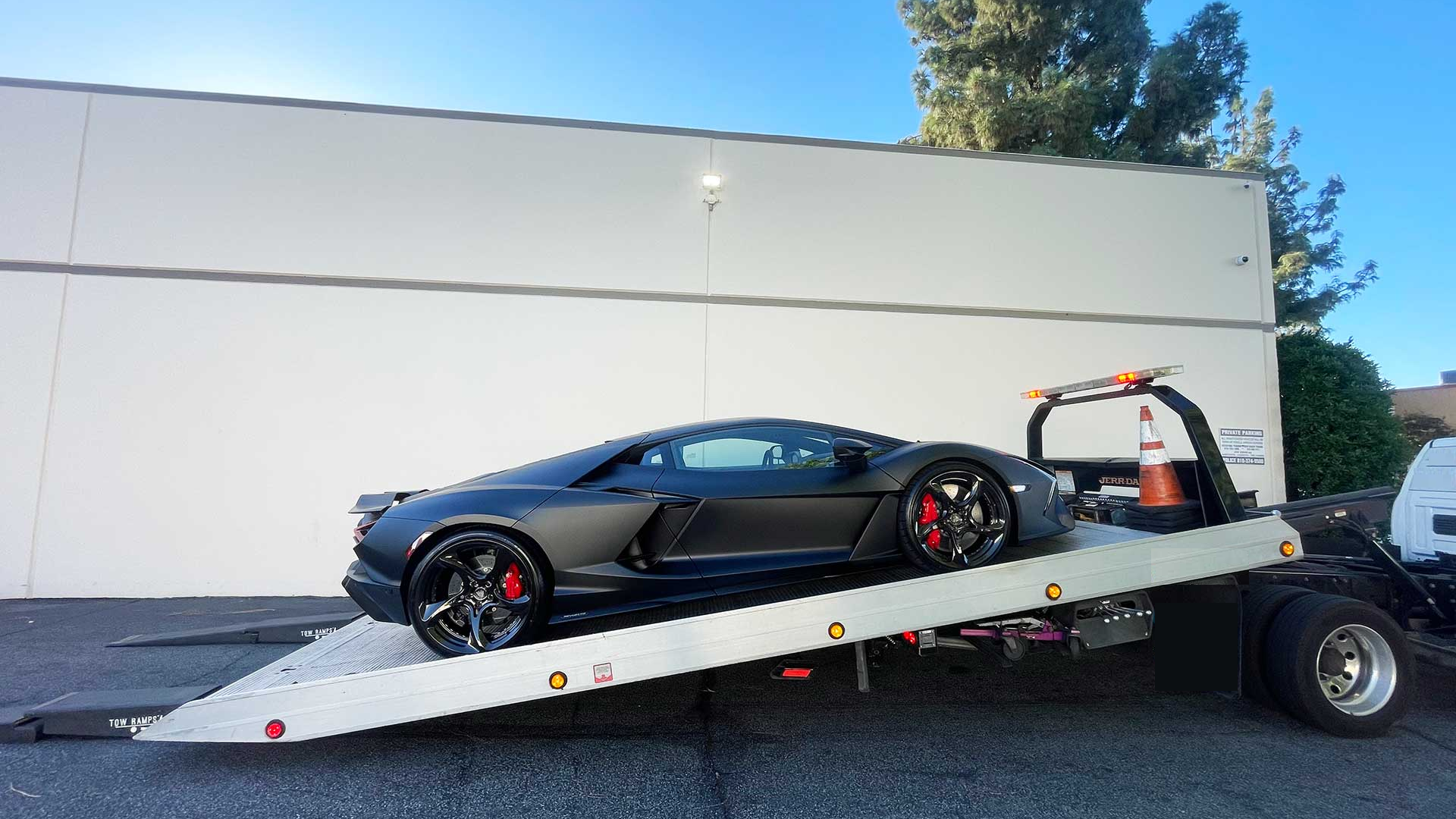
Modern vehicles are more advanced than ever before. Today’s cars, trucks, SUVs, and electric vehicles rely on a complex network of sensors, cameras, computers, and electronic systems to improve safety, performance, fuel efficiency, and driver convenience. While these technologies offer significant benefits, they also make vehicles more sensitive to improper handling during transportation and recovery.
When a vehicle breaks down, is involved in an accident, or requires roadside assistance, professional towing becomes increasingly important. Modern vehicles are no longer just mechanical machines; they are highly integrated electronic systems that can suffer costly damage if towed incorrectly.
Professional towing companies understand the unique requirements of newer vehicles and use specialized equipment and procedures to help protect critical systems during transport. For drivers seeking safe vehicle recovery, companies like AQA Towing provide professional towing services designed to minimize the risk of damage to sensitive vehicle technologies.
In this guide, you'll learn how professional towing helps protect modern vehicle sensors and systems, why improper towing can create expensive repairs, and what vehicle owners should know before their car is transported.
Why Modern Vehicles Require Specialized Towing
Vehicles manufactured in the last decade contain far more technology than previous generations. Many modern vehicles now include:
Advanced Driver Assistance Systems (ADAS)
Radar sensors and parking sensors
Collision avoidance and adaptive cruise control systems
Lane departure warning and electronic stability control
All-wheel-drive (AWD) systems and electric vehicle drivetrains
Air suspension systems and tire pressure monitoring systems (TPMS)
Camera-based safety technologies
These components are carefully calibrated and interconnected. Knowing how to know when your car needs professional towing is essential because improper towing can affect system alignment, damage sensitive hardware, or create hidden issues that may not appear until later. This is why specialized methods have become increasingly important as automotive technology evolves.
Understanding Modern Vehicle Sensors and Electronic Systems
Before discussing towing methods, it helps to understand what systems are being protected.
Advanced Driver Assistance Systems (ADAS)
ADAS technology relies on multiple sensors and cameras to assist drivers with automatic emergency braking, adaptive cruise control, blind-spot monitoring, and lane-keeping assistance. Many of these systems depend on precise sensor alignment. Even minor impacts or improper towing practices can affect calibration.
Radar Sensors
Radar units are commonly located in front bumpers, rear bumpers, and vehicle grilles to monitor surrounding traffic. Damage to these areas during towing can completely disrupt safety feature performance.
Cameras and Vision Systems
Modern vehicles may contain cameras mounted in windshields, mirrors, rear liftgates, and front grilles to support parking assistance and traffic sign recognition. Proper towing procedures reduce the risk of vibration-related or impact-related damage to these optics.
Electronic Suspension Systems
Luxury vehicles and many newer SUVs use electronically controlled suspension systems to continuously adjust ride height. Mechanical strain during recovery can easily cause damage, forcing owners to research towing lowered luxury or sports cars without damage to find protective transport options.
Electric Vehicle Components
Electric vehicles introduce additional considerations, including high-voltage battery systems, electric motors, regenerative braking systems, and specialized cooling infrastructure.
How Improper Towing Can Damage Modern Vehicle Systems
Not all towing methods provide the same level of protection. Inexperienced handling can easily result in the hidden costs of poorly performed tows, manifesting as:
Sensor Misalignment: If the vehicle experiences excessive movement or improper lifting, radar and camera systems may require expensive recalibration.
Suspension Damage: Incorrect towing angles can place immense stress on air suspension systems, suspension sensors, control arms, and steering components.
Drivetrain Stress: Many all-wheel-drive and four-wheel-drive vehicles require special precautions. Drivers must understand the distinct rules around towing an all-wheel-drive vehicle to prevent severe mechanical breakdown.
Wheel Speed Sensor Issues: Improper towing practices can potentially damage components tied directly to your ABS, stability control, and traction control systems.
Electric Vehicle System Damage: Failing to lift an EV completely off the ground can generate dangerous electrical currents within the drivetrain.
Warning: Using the wrong tow vehicle can destroy an advanced drivetrain in minutes. Be sure you understand what causes transmission damage during improper towing before letting any provider hook up your car.
How Professional Towing Protects Vehicle Technology
Professional towing companies use specialized methods designed to protect modern vehicles from the moment they arrive on the scene.
Comprehensive Vehicle Assessment Before Towing
The process begins with an evaluation of the vehicle type, drivetrain configuration, visible damage, sensor locations, and manufacturer recommendations. Understanding what to expect when you call AQA Towing can provide peace of mind, as operators verify these details to determine the safest approach.
Using Flatbed Tow Trucks for Maximum Protection
Flatbed towing is widely considered the safest method for transporting modern vehicles. When debating your options, analyzing the choices between flatbed, wheel-lift, and flat tire towing solutions highlights why flatbeds excel. With a flatbed truck:
All four wheels are completely off the ground.
Drivetrain components remain completely stationary.
Suspension stress and vehicle vibrations are minimized.
Proper Securing Techniques
Professional operators use soft straps, wheel restraints, and secure anchor points rather than chains that can bend components. Using the wrong tie-down points is an avoidable disaster; reading about what happens if you choose the wrong tow truck for your vehicle underscores the necessity of certified expertise.
[Vehicle Secured via Wheel Straps] ---> [Zero Drivetrain Rotation] ---> [Protected ADAS & Sensors]
Why Electric Vehicles Require Special Towing Procedures
Electric vehicles are becoming increasingly common on today's roads, but they cannot be handled like traditional combustion vehicles. Because of regenerative braking systems, rolling an EV with its drive wheels on the ground can spin the electric motors, generating power that can overheat and ruin the vehicle’s powertrain.
As detailed in the guide on roadside assistance for electric & hybrid vehicles, professional operators utilize flatbed transport exclusively to ensure the high-voltage battery systems remain completely isolated and protected.
Post-Accident Vehicle Safety Systems
After a collision, modern vehicle systems are highly vulnerable. Professional towing helps prevent secondary damage to collision avoidance sensors, airbag components, and radar modules that may already be loosened or compromised.
Understanding what happens to your car after an accident highlights why the recovery phase is so vital—careful loading prevents minor insurance claims from turning into total losses due to ruined electrical architectures.
Common Myths & Mistakes to Avoid
Many motorists rely on outdated assumptions when dealing with a modern vehicle breakdown. Reviewing common myths about towing debunked by professionals reveals that DIY methods or hiring uncertified operators often leads to expensive sensor damage.
Additionally, vehicle owners must know their rights and restrictions depending on their location, such as checking if there is a legal distance limit for towing in Illinois before scheduling a long-distance transport. For answers to other safety and operational concerns, look closely at the question below.
Frequently Asked Questions
Can towing damage vehicle sensors?
Improper towing can potentially affect sensors, cameras, and electronic systems due to excessive vibration or incorrect physical hookups. Professional towing methods eliminate these risks.
Why is flatbed towing recommended for modern vehicles?
Flatbed towing keeps all wheels off the ground, reducing stress on drivetrains, suspension systems, and electronic components. For a complete safety breakdown, see our guide: can towing damage your car?
What makes a tow provider qualified for smart cars?
It comes down to specialized training. Drivers should understand what makes a tow operator certified and why it matters before allowing a truck to hook up to their asset.
Conclusion
Today's vehicles rely on sophisticated sensors, electronic systems, advanced safety technologies, and complex drivetrains. While these innovations improve driving performance and safety, they also increase the importance of proper towing procedures. Professional towing companies understand how to transport modern vehicles safely by using flatbed trucks, following manufacturer guidelines, protecting sensitive components, and applying specialized loading and securing techniques.
Whether you're driving a luxury vehicle, an electric vehicle, an all-wheel-drive SUV, or a modern passenger car, choosing experienced towing professionals can help protect your investment and avoid unnecessary repair costs.
Need Professional Vehicle Towing?
If your vehicle requires safe transportation after a breakdown, accident, or roadside emergency, visit AQA Towing to learn more about available services or request assistance directly through our Get a Quote page. Professional towing ensures your vehicle's advanced systems remain protected from pickup to destination.
