
Towing for Driveway Accidents: What Homeowners Should Know | AQA Towing
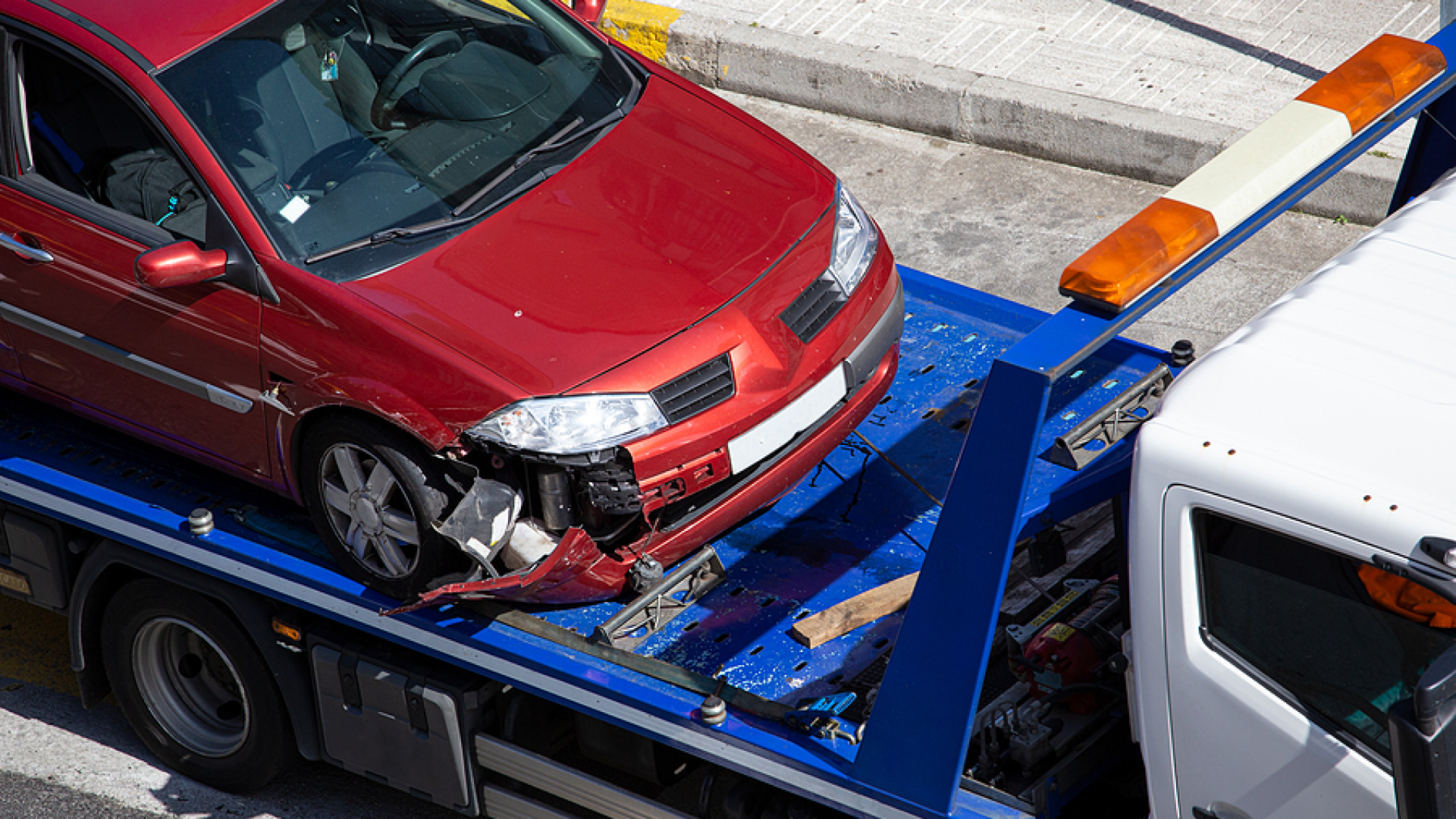
Most people associate towing services with highway breakdowns, vehicle collisions, or roadside emergencies. However, many towing calls actually originate much closer to home. Driveway accidents are surprisingly common and can involve everything from minor fender benders and backing accidents to vehicles stuck on landscaping, damaged retaining walls, garage impacts, and non-drivable vehicles that need professional removal.
When a vehicle is involved in a driveway accident, homeowners often face unique challenges that differ from typical roadway incidents. Limited maneuvering space, property damage concerns, and the need to protect landscaping, concrete surfaces, and structures make professional towing services an important part of the recovery process.
For homeowners dealing with a driveway accident, professional towing companies like AQA Towing provide the equipment and expertise necessary to safely remove damaged vehicles while minimizing additional property damage.
This guide explains what homeowners should know about driveway accident towing, when towing is necessary, how the process works, and how to protect both your property and your vehicle during recovery.
What Is Considered a Driveway Accident?
A driveway accident is any vehicle-related incident that occurs on private residential property rather than on public roads.
Common examples include:
Backing into another vehicle
Striking a garage door
Hitting a mailbox
Damaging a fence or gate
Driving onto landscaping
Sliding into retaining walls
Vehicle rollaways
Accidents involving visitors' vehicles
Vehicles stuck in mud, snow, or soft ground
Collisions involving parked cars in residential driveways
Although these accidents often occur at low speeds, they can still result in significant vehicle damage, property damage, or safety concerns.
Why Driveway Accidents Often Require Professional Towing
Many homeowners assume a vehicle can simply be driven away after a driveway accident. In reality, even minor collisions can create mechanical or structural issues that make driving unsafe, prompting owners to learn how to know when your car needs professional towing.
Professional towing may be necessary when:
The Vehicle Is No Longer Drivable
Severe impacts can damage vital components. Severe damage to the suspension, steering system, tires, axles, transmission, or cooling system can make operating the vehicle incredibly dangerous.
Fluids Are Leaking
If the accident causes oil, coolant, transmission fluid, or fuel leaks, driving the vehicle could cause additional engine destruction or create environmental hazards on your property.
The Vehicle Is Stuck
Driveway accidents sometimes leave vehicles trapped in landscaping, ditches, mud, snowbanks, or decorative stone areas. When tires spin fruitlessly, you need to know can a tow truck help if your car is stuck in snow, mud, or ice to extract it safely without destroying your lawn.
Structural Damage Has Occurred
Damage to wheels, frames, or undercarriage components can make traditional driving impossible, making a professional transport the only secure option.
Common Causes of Driveway Accidents
Understanding how these accidents occur can help homeowners reduce future risks.
Backing Errors: Many driveway accidents happen while reversing due to blind spots, limited visibility, distracted driving, obstructed mirrors, or poor lighting.
Weather Conditions: Rain, snow, ice, and wet leaves can reduce traction and increase stopping distances dramatically. Homeowners often witness how weather & seasonal changes affect roadside breakdowns and property collisions alike.
Driver Inexperience: Teen drivers or individuals unfamiliar with a property's layout may have difficulty navigating tight spaces.
Steep Driveways: Vehicles can lose traction or roll unexpectedly on steep inclines.
Mechanical Problems: Brake failures, transmission issues, and steering malfunctions can contribute to sudden driveway incidents. In severe cases, operators must know how towing companies handle vehicles with brake failure to prevent the vehicle from rolling into the home during recovery.
What To Do Immediately After a Driveway Accident
Taking the right steps can help protect everyone involved and simplify the towing process.
1. Check for Injuries
Safety always comes first. Ensure that drivers are uninjured, passengers are safe, and pedestrians are accounted for. Seek emergency medical assistance if necessary.
2. Assess Property Damage
Inspect garage doors, mailboxes, landscaping, retaining walls, fences, and utility equipment. Document visible damage immediately.
3. Take Photos
Photographs are highly helpful for insurance claims, property damage documentation, and vehicle damage assessments. Capture multiple angles before the vehicle is moved whenever possible. If the vehicle is completely locked up, understanding what to do if your car wont start in a parking lot or garage can help you manage the vehicle state safely.
4. Avoid Moving Severely Damaged Vehicles
If the vehicle appears unsafe to drive, contact a professional towing company instead of attempting to move it yourself.
How Towing Companies Handle Driveway Accident Recovery
Driveway recoveries require a completely different approach than standard roadside towing. Professional operators carefully evaluate both the vehicle and surrounding property before beginning recovery operations to ensure they don't cause transmission damage during improper towing.
Step 1: Site Assessment
Tow truck operators assess vehicle position, property access, ground conditions, potential hazards, structural damage, and clearance requirements. This allows them to choose the safest recovery strategy.
Step 2: Selecting the Appropriate Equipment
Different driveway accidents require different recovery tools. Operators face a distinct choice when choosing between flatbed, wheel-lift, and flat tire setups:
Flatbed Tow Trucks: Flatbeds are often preferred because they fully lift the vehicle off the ground, reduce additional damage risks, protect drivetrains, and improve transport stability. They are especially vital when towing an all-wheel-drive vehicle to avoid destroying the differential.
Wheel-Lift Tow Trucks: These may be used when space is limited and the vehicle can be safely rolled out on one set of wheels.
Recovery Winches: Winches help extract vehicles from mud, landscaping, embankments, and tight spaces without excessive structural force.
Step 3: Protecting the Property
One of the biggest concerns during driveway towing is preventing further property damage. Professional operators may use protective mats, recovery boards, soft straps, controlled winching techniques, and specialized vehicle dollies. These methods help minimize impact on concrete, asphalt, grass, and decorative landscaping.
Step 4: Vehicle Recovery and Loading
Once the vehicle is stabilized, it is carefully recovered and loaded. Operators monitor wheel alignment, ground clearance, structural stability, and weight distribution. This ensures safe transport and reduces the risk of secondary damage.
Why Professional Towing Is Better Than DIY Vehicle Removal
Some homeowners attempt to move damaged vehicles using personal trucks, chains, or improvised methods. However, studying the risks outlined in why local towing services save you more time and money than DIY shows that amateur recovery can create serious legal and financial problems.
Warning: Amateur towing risks increased vehicle damage to frames, suspension systems, and steering components. It also heightens the risk of cracked driveways and snapped utility lines.
Furthermore, can towing damage your car? Yes, if done incorrectly. Read more about can towing damage your car and prevention tips to understand how professional operators use certified equipment designed specifically for controlled vehicle recovery.
How Insurance May Apply to Driveway Accidents
Coverage depends on the circumstances and the insurance policies involved:
Vehicle Damage Coverage: Collision coverage may help pay for vehicle repairs. To understand the next steps in the claims process, it helps to review what happens to your car after an accident.
Property Damage Coverage: Liability coverage may apply if a vehicle damages another person's property (like a neighbor's fence or a shared wall).
Towing Coverage: Some policies include roadside assistance or towing reimbursement benefits.
Homeowners should contact their insurance provider promptly after an accident to clarify available coverage options.
Special Considerations for Driveway Accidents
Multi-Vehicle Collisions
Some driveway incidents involve multiple vehicles, such as family vehicles parked closely together, guest vehicles, delivery vehicle accidents, or shared driveway collisions. These situations require careful planning to avoid further damage, create safe access routes, and coordinate multiple vehicle removals.
Seasonal Driveway Accident Risks
Winter: Ice-covered driveways, hidden snowbanks, and slick surfaces complicate movement. Reviewing winter driving breakdowns and how to stay safe highlights how tricky residential ice can be.
Spring: Heavy rains can create soft ground, mud, and sinkage risks near driveway edges.
Autumn: Wet leaves can become surprisingly slippery and contribute to sliding incidents.
Summer: Increased household activity, visitors, and teen drivers may lead to more frequent driveway incidents.
How Homeowners Can Reduce the Risk of Driveway Accidents
Prevention is always preferable to recovery. Consider these safety measures:
Improve Lighting: Well-lit driveways improve visibility during nighttime maneuvering.
Maintain Clear Sightlines: Trim shrubs and vegetation that obstruct your view of the sidewalk and street.
Mark Edges Clearly: Driveway boundaries should be visible during all seasons using reflective markers.
Repair Surface Damage: Fix cracks, uneven pavement, or drainage issues that may cause a car to lose traction.
Encourage Slow Speeds: Most driveway accidents occur because of rushed or distracted driving.
Frequently Asked Questions About Driveway Accident Towing
Can a tow truck remove a car from a narrow residential driveway? Yes. Professional towing companies use specialized equipment and recovery techniques designed for tight residential spaces.
Will towing damage my driveway? Experienced operators use protective measures and proper recovery methods to minimize the risk of driveway scrape marks or cracked concrete.
Should I move the vehicle myself after a driveway accident? If the vehicle has sustained structural damage or is stuck, professional towing is usually the safest option to avoid further loss.
Can towing companies recover vehicles stuck in landscaping? Yes. Recovery equipment such as winches and dollies can safely remove vehicles from grass, mud, and landscaped areas without destroying the entire yard.
What if the vehicle damaged my garage or fence? Document the damage with photographs and contact your insurance provider. A towing company can safely remove the vehicle before structural repairs begin.
Conclusion
Driveway accidents may occur at lower speeds than roadway collisions, but they can still create significant vehicle damage, property damage, and safety concerns. Whether a vehicle has struck a structure, become stuck on landscaping, or suffered mechanical damage, professional towing services play an important role in safe recovery.
Experienced towing operators understand how to navigate tight residential spaces, protect property, and remove vehicles without causing additional damage. By using proper equipment and recovery techniques, they help homeowners resolve driveway accidents efficiently and safely.
If you experience a driveway accident and need professional vehicle recovery, contacting a trusted towing provider can help protect both your vehicle and your property while ensuring the situation is handled correctly.
Need Professional Towing Assistance?
If your vehicle has been involved in a driveway accident, visit AQA Towing to learn more about available towing and recovery services, or request assistance through the Get a Quote page. Their team can help safely recover and transport damaged or disabled vehicles when you need assistance most.
