
The Role of GPS Tracking in Faster Tow Truck Dispatch
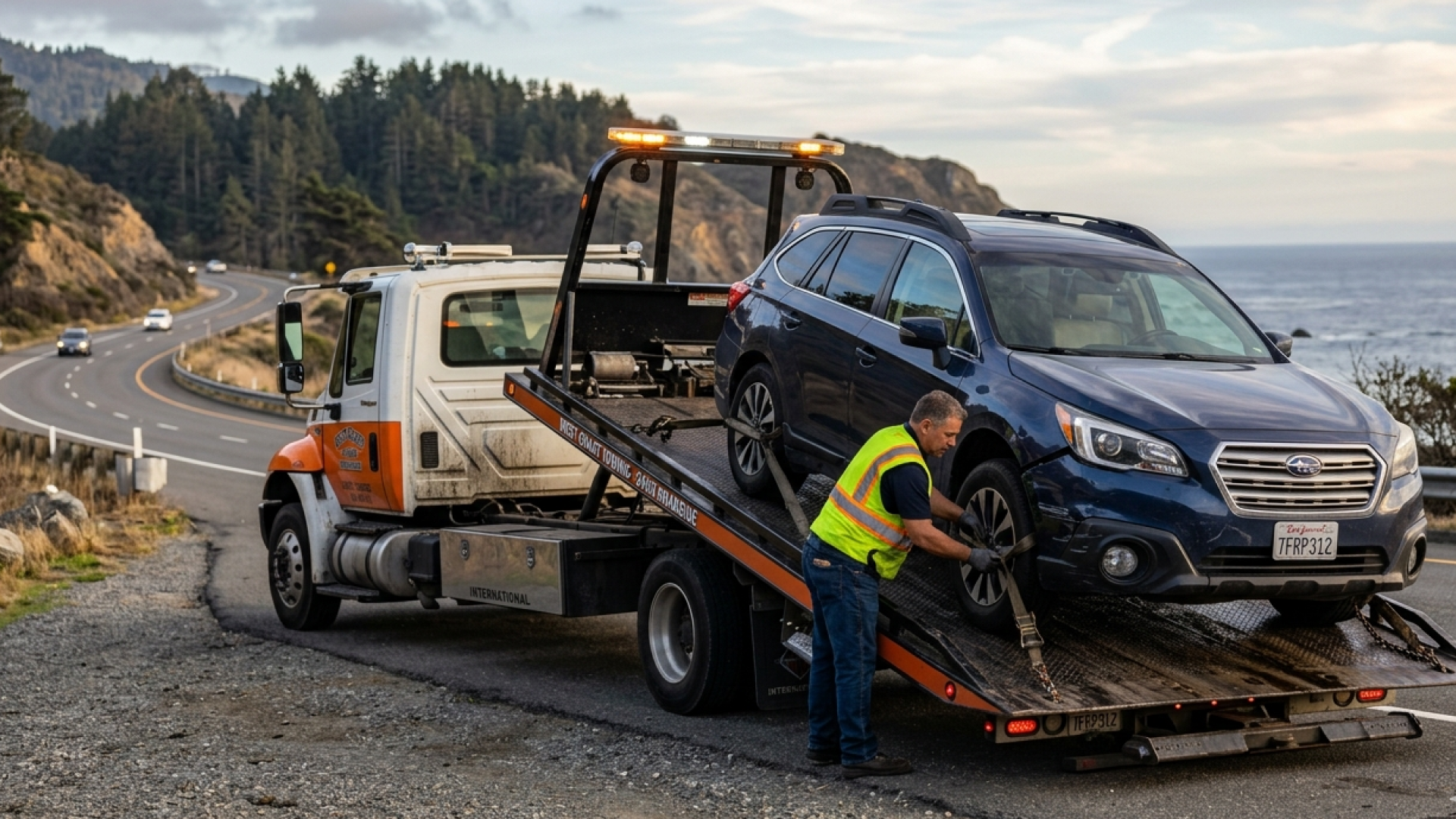
When drivers are stranded on the side of the road, speed matters. Whether the issue involves a breakdown, flat tire, accident recovery, dead battery, or vehicle lockout, customers want fast assistance from a towing company they can trust. That is why GPS tracking technology has become one of the most important tools in the modern towing industry.
Today, advanced GPS-enabled dispatch systems help towing companies respond faster, optimize routes, improve communication, and deliver more efficient roadside assistance services. Companies that invest in GPS fleet tracking can often reduce wait times, improve customer satisfaction, and handle emergency situations more effectively.
For professional towing providers like AQA Towing, GPS-supported dispatch systems help create quicker, safer, and more reliable towing operations across busy service areas.
In this article, we will explain:
What GPS tracking is in the towing industry
How GPS improves tow truck dispatch speed
Why real-time vehicle tracking matters
How dispatch systems reduce customer wait times
The role of GPS in emergency roadside assistance
Benefits for towing companies and customers
Common technologies used in modern towing fleets
Future trends in GPS-powered towing operations
What Is GPS Tracking in the Towing Industry?
GPS tracking refers to the use of Global Positioning System technology to monitor the real-time location of tow trucks and service vehicles.
Modern towing companies use GPS fleet tracking systems to:
Monitor driver locations
Assign the closest available tow truck
Optimize routes
Reduce fuel usage
Improve emergency response times
Communicate with drivers instantly
Provide customers with accurate arrival estimates
Instead of relying on manual radio dispatching alone, GPS software gives towing companies live visibility into their entire fleet.
This allows dispatchers to make faster and smarter decisions during roadside emergencies. Similar advancements are discussed in AQA’s guide on how tow companies use technology and dispatch systems for faster response.
Why Fast Tow Truck Dispatch Matters
In roadside emergencies, delays can increase danger, stress, and traffic risks.
Fast dispatch is especially important for:
Highway breakdowns
Accident recovery
Vehicles blocking traffic
Dead battery emergencies
Brake failure incidents
Lockouts in unsafe areas
Severe weather roadside situations
Customers today also expect real-time updates and faster service experiences similar to rideshare or delivery platforms.
GPS dispatch systems help towing companies meet those expectations while improving operational efficiency. This is one reason many drivers now prioritize providers with proven response systems and strong local reputations, as explained in why local reviews and reputation matter when choosing a tow company.
How GPS Tracking Helps Tow Truck Companies Respond Faster
GPS tracking improves dispatch speed in several important ways.
Real-Time Tow Truck Location Monitoring
One of the biggest advantages of GPS systems is live vehicle tracking.
Dispatchers can instantly see:
Which trucks are available
Which trucks are closest
Current driver routes
Traffic congestion
Estimated arrival times
Road closures or delays
Without GPS, dispatchers may waste valuable time calling drivers individually for updates.
With GPS technology, the nearest qualified operator can be dispatched immediately.
This significantly reduces response times during emergencies. In fact, dispatch precision itself can heavily influence service speed, which is covered in how dispatch accuracy impacts tow truck arrival time.
Smarter Route Optimization
Modern GPS dispatch software does more than provide directions.
It also analyzes:
Traffic conditions
Construction zones
Road closures
Weather conditions
Highway congestion
Alternate routes
This allows tow truck drivers to avoid delays and reach customers faster.
For example, if a major accident blocks a highway entrance, the GPS system may automatically reroute the tow truck using a faster secondary road.
Efficient routing is especially important in large urban service areas where traffic congestion can dramatically affect response times. Drivers facing severe weather breakdowns often benefit from these systems, particularly during snow and storm conditions discussed in how weather and seasonal changes affect roadside breakdowns in Chicagoland.
Automatic Nearest-Truck Dispatching
Many towing companies now use automated dispatch platforms integrated with GPS technology.
These systems can automatically identify:
The closest available truck
The best-equipped truck
The fastest route
The nearest recovery specialist
This eliminates guesswork and reduces dispatcher workload.
The result is faster roadside assistance and more efficient fleet management.
Better Communication Between Drivers and Dispatchers
GPS systems are often integrated with mobile dispatch software that allows instant communication.
Drivers can receive:
Service requests
Navigation instructions
Customer details
Job updates
Traffic alerts
At the same time, dispatchers can track job progress in real time.
This improves coordination and reduces delays caused by miscommunication. Strong communication also helps customers understand the towing process better, which is explained in what to expect when you call AQA Towing step by step tow process explained.
How GPS Tracking Improves Customer Experience
Modern customers expect speed, transparency, and communication.
GPS-powered towing systems improve customer satisfaction in several ways.
More Accurate Arrival Times
One major frustration during roadside emergencies is uncertainty.
Customers often ask:
“Where is the tow truck?”
“How long will it take?”
“Is the driver nearby?”
GPS systems allow towing companies to provide accurate ETAs based on real-time traffic and location data.
This reduces stress and helps customers feel more informed during difficult situations.
Faster Emergency Response
Quick response times are especially critical during:
Nighttime breakdowns
Dangerous roadside conditions
Winter weather emergencies
Highway accidents
Vehicle breakdowns in isolated areas
GPS tracking helps dispatchers prioritize urgent calls and send the nearest available truck immediately. This becomes especially important after midnight emergencies, similar to those discussed in top reasons people call roadside assistance after midnight.
Real-Time Status Updates
Some towing companies now offer live tracking links similar to food delivery or rideshare apps.
Customers may receive:
Dispatch confirmations
Driver information
Live truck tracking
ETA notifications
Service completion updates
This level of transparency improves trust and professionalism.
The Role of GPS in Emergency Roadside Assistance
Roadside emergencies require rapid coordination and efficient resource management.
GPS tracking helps towing companies respond more effectively during high-pressure situations.
Accident Recovery Coordination
During vehicle accidents, dispatchers may need to coordinate:
Tow trucks
Recovery equipment
Law enforcement
Traffic management
Roadside safety operations
GPS visibility allows companies to deploy the right resources quickly.
This helps reduce traffic disruption and improves roadside safety. Drivers involved in collisions can also better understand post-accident procedures by reading what happens to your car after an accident.
Highway Breakdown Assistance
Highway breakdowns are especially dangerous because vehicles are close to fast-moving traffic.
GPS dispatching helps operators:
Reach stranded drivers faster
Reduce roadside exposure time
Improve emergency lane clearance
Minimize accident risks
Fast dispatch can significantly improve roadside safety outcomes. While waiting for assistance, motorists should also follow these roadside safety tips while waiting for a tow truck.
Severe Weather Emergency Response
Storms, snow, flooding, and ice often create spikes in roadside assistance calls.
GPS systems help towing companies:
Prioritize urgent calls
Identify safe routes
Monitor fleet availability
Respond more efficiently during high demand
Companies with GPS-enabled fleets can often manage emergency surges more effectively than companies using outdated manual systems. This becomes especially important during winter driving emergencies and stranded vehicle situations covered in winter driving breakdowns and what to do if you get stranded.
GPS Tracking and Fleet Efficiency
GPS tracking benefits not only customers but also towing company operations.
Reduced Fuel Costs
Optimized routing helps reduce:
Unnecessary mileage
Idle time
Traffic delays
Fuel consumption
This improves operational efficiency across the fleet.
Improved Driver Productivity
Drivers spend less time searching for locations or waiting for manual dispatch instructions.
GPS systems streamline workflow and improve job completion rates.
Better Fleet Management
Fleet managers can monitor:
Driver activity
Vehicle maintenance schedules
Dispatch performance
Route history
Service coverage areas
This data helps towing companies improve long-term operations and customer service.
Commercial operators and fleet owners especially benefit from these efficiencies, similar to the advantages outlined in towing for small businesses and fleet clients.
Common GPS Technologies Used in Modern Tow Truck Operations
Modern towing fleets often combine several technologies together.
Fleet Tracking Software
Fleet management platforms provide centralized monitoring for all service vehicles.
Features may include:
Live maps
Dispatch controls
Driver messaging
Route analytics
Job tracking
Maintenance alerts
Mobile Driver Apps
Tow truck operators often use mobile apps connected directly to dispatch systems.
These apps may provide:
Navigation assistance
Digital job tickets
Customer signatures
Photo uploads
Status updates
Integrated Dispatch Platforms
Advanced dispatch systems combine:
GPS tracking
Customer management
Billing systems
Route optimization
Scheduling tools
This creates faster and more organized towing operations.
How GPS Tracking Helps Reduce Wait Times
Tow truck response time is one of the most important factors affecting customer satisfaction.
GPS tracking reduces wait times by:
Sending the nearest truck
Avoiding traffic congestion
Reducing dispatch delays
Improving communication
Optimizing driver routes
Increasing fleet visibility
The result is a more responsive roadside assistance experience.
For customers stranded during stressful situations, even saving 15 to 20 minutes can make a major difference. Drivers in busy suburban areas often ask about realistic response times, which are discussed in how fast a tow truck can reach you in the Chicago suburbs.
Why Modern Towing Companies Invest in GPS Technology
The towing industry has become increasingly competitive.
Companies that invest in GPS systems often gain advantages such as:
Faster dispatch times
Better customer reviews
Improved operational efficiency
Lower fuel expenses
Stronger fleet coordination
Better roadside safety
Higher customer retention
Professional towing providers understand that technology plays a major role in modern customer expectations.
Future Trends in GPS-Powered Tow Truck Dispatch
GPS technology continues evolving rapidly.
Future towing innovations may include:
AI-powered dispatch optimization
Predictive traffic analysis
Automated emergency routing
Smart roadside diagnostics
Real-time vehicle telematics
Integrated customer mobile apps
Enhanced fleet automation
As roadside assistance technology advances, customers will likely expect even faster, more transparent service experiences.
Why Fast Dispatch Matters for Roadside Safety
Faster dispatch is not just about convenience.
It also improves safety by reducing:
Roadside exposure time
Traffic hazards
Secondary accident risks
Driver stress
Vehicle vulnerability
This is especially important on busy highways, dark roads, and dangerous weather conditions.
Professional towing companies prioritize quick response times because every minute matters during roadside emergencies.
Frequently Asked Questions About GPS Tow Truck Dispatch
How does GPS tracking help tow trucks arrive faster?
GPS tracking allows dispatchers to identify the closest available tow truck, optimize routes, and avoid traffic delays in real time.
Can customers track their tow truck location?
Some towing companies provide live tracking links or ETA updates so customers can monitor the truck’s arrival progress.
Does GPS tracking improve roadside safety?
Yes. Faster dispatch reduces the amount of time stranded drivers remain exposed to roadside traffic and dangerous conditions.
What technology do towing companies use for dispatching?
Many towing companies use integrated fleet management systems, GPS tracking software, mobile driver apps, and digital dispatch platforms.
Why is route optimization important for towing services?
Route optimization helps drivers avoid traffic congestion, road closures, and delays, allowing them to reach customers faster.
Can GPS systems help during severe weather emergencies?
Yes. GPS systems help dispatchers identify safer routes, monitor fleet availability, and manage high roadside assistance demand during storms or winter weather.
Do all towing companies use GPS tracking?
Not all companies use advanced GPS systems, but modern professional towing providers increasingly rely on GPS-enabled dispatch technology.
How does GPS improve towing company efficiency?
GPS improves fuel efficiency, reduces idle time, streamlines dispatching, and helps drivers complete more service calls efficiently.
Conclusion
GPS tracking technology has transformed the towing industry by making tow truck dispatch faster, smarter, and more efficient. Real-time fleet visibility, route optimization, automated dispatching, and instant communication all help towing companies respond quickly during roadside emergencies.
For stranded drivers, this means shorter wait times, improved safety, more accurate arrival estimates, and better overall customer service.
As technology continues evolving, GPS-powered towing operations will likely become even more advanced, helping roadside assistance providers deliver faster and more reliable support when drivers need it most.
Professional companies like AQA Towing continue investing in efficient dispatch systems and responsive roadside service to better assist customers across every type of vehicle emergency.
If you need fast roadside assistance, towing support, or emergency vehicle recovery, you can also request service directly through the AQA Towing Get a Quote page.
