
What Happens If Your Car Breaks Down Outside City Limits?
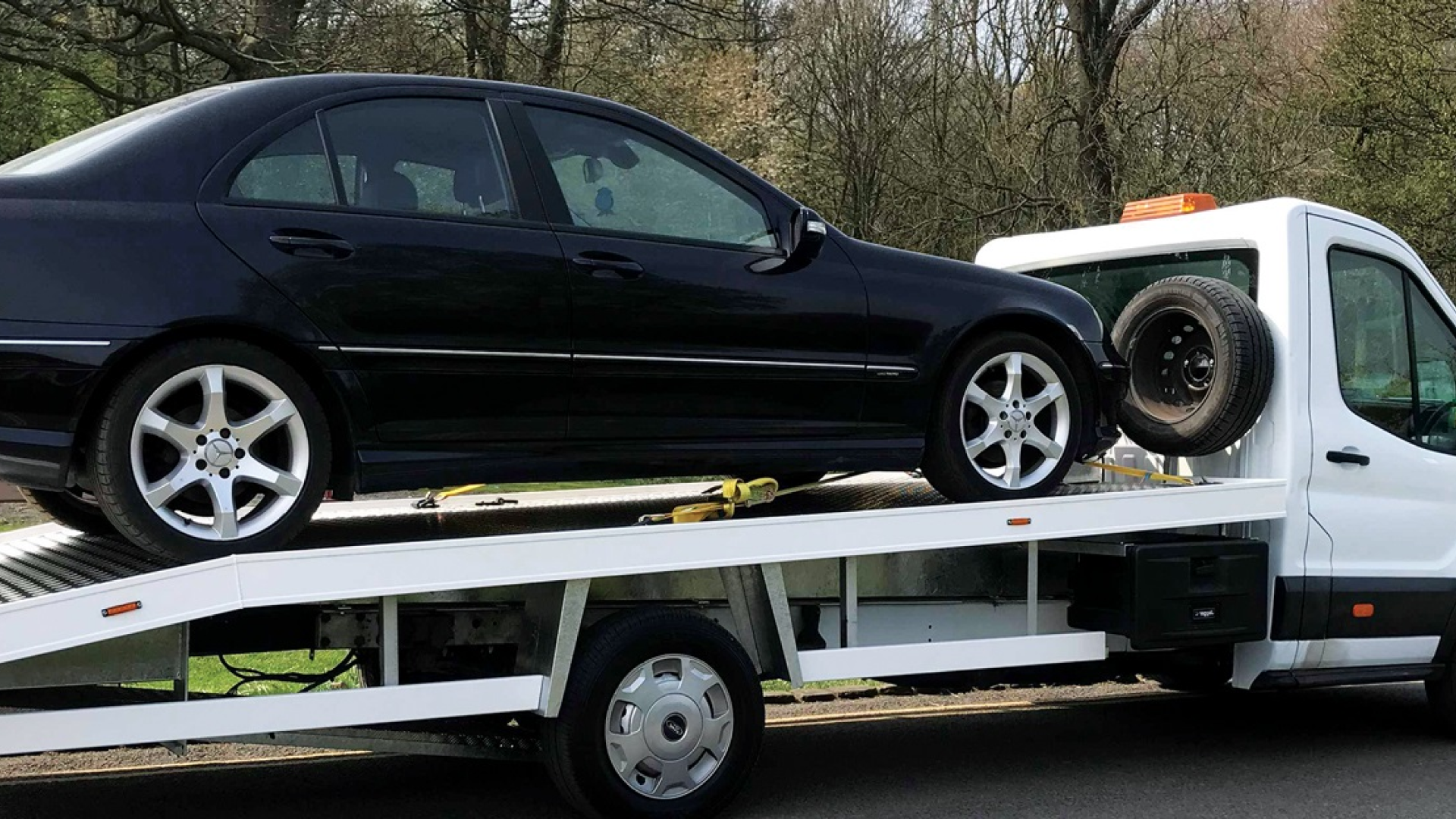
A car breakdown outside city limits is not just inconvenient—it’s a situation where safety, timing, and proper decisions matter much more than in urban areas. With fewer workshops, limited help nearby, and faster traffic conditions, knowing what happens next can help you stay safe and in control.
This guide explains the full breakdown process, what towing companies do in remote areas, and how to respond effectively when you’re stranded far from the city.
Why Breakdowns Outside City Limits Are More Serious
Outside city or town areas, drivers face unique challenges:
Limited access to repair shops and mechanics
Longer waiting times for roadside help
High-speed traffic risks on highways
Weak mobile network coverage in some areas
Poor lighting and visibility at night
These conditions make quick decision-making critical. In many cases, drivers rely on emergency roadside assistance and towing services for safe recovery. You can understand more about how professional recovery works in this detailed guide on what to expect when you call AQA Towing.
What Happens Immediately After a Breakdown
When your vehicle stops working on a highway or remote road, the situation usually unfolds in stages.
1. Vehicle Failure Occurs
Common issues include:
Engine overheating or shutdown
Battery failure
Flat tire
Brake or transmission issues
In such situations, continuing to drive can cause further damage. For example, a flat tire emergency is often safer when handled professionally, as explained in why tow truck tire change is safer than DIY.
2. Move to a Safe Location
If possible:
Pull over to the roadside shoulder
Avoid blind curves or narrow lanes
Turn on hazard lights immediately
Stay away from moving traffic
3. Call Roadside Assistance
Once safe, contact a professional towing provider like AQA Towing for immediate help. In remote areas, response time depends heavily on location and traffic conditions.
If you are stranded and unsure what to do next, this guide explains the safest waiting practices: roadside safety tips while waiting for a tow truck.
How Towing Companies Respond to Remote Breakdowns
Professional towing services follow a structured process to ensure safety and efficiency.
Step 1: Location and Situation Assessment
Dispatch teams collect:
GPS location or highway markers
Vehicle condition
Traffic and weather conditions
Type of breakdown
Modern dispatch systems play a major role in speeding up response times, as explained in how tow companies use technology and dispatch systems.
Step 2: Sending the Nearest Tow Truck
The closest available tow truck is dispatched based on:
Distance
Equipment type needed
Road accessibility
Step 3: Estimated Arrival Time
Outside city limits, arrival time may vary depending on:
Highway traffic
Weather conditions
Distance from depot
To understand real-world response expectations, see how fast a tow truck can reach you.
What Happens When the Tow Truck Arrives
Once help reaches you, the recovery process begins carefully.
1. Safety Inspection
The operator checks:
Traffic flow
Road shoulder space
Vehicle hazards (leaks, smoke, etc.)
2. Vehicle Evaluation
They assess whether:
The car can be moved safely
Wheels or brakes are damaged
Transmission or engine failure is present
3. Choosing the Right Towing Method
Common methods include:
Flatbed towing – safest for long distances and severe breakdowns
Wheel-lift towing – suitable for short-distance recovery
Long-distance recovery situations are often better handled using a structured approach, as outlined in long distance towing checklist.
Risks of Breaking Down Outside City Limits
Being stranded in remote areas comes with real risks:
Fast-moving highway traffic
Weather exposure (rain, heat, cold, fog)
Poor visibility at night
Limited help availability
Weak mobile signals
Weather-related issues are a major cause of breakdowns, especially in changing seasons, as explained in how weather affects roadside breakdowns.
What You Should Do in a Breakdown Situation
Follow these steps:
Move your vehicle safely off the road
Turn on hazard lights
Stay inside if traffic is dangerous
Call a trusted towing service
Share your exact GPS location
Wait safely until help arrives
Choosing a reliable towing provider is critical. Here’s a helpful guide on how to evaluate one: how to choose a reliable tow company.
Why Fast Response Matters
Delays in towing can lead to:
Increased vehicle damage
Higher safety risks
Traffic hazards
Prompt towing reduces further complications and protects your vehicle. Learn more about this in why prompt towing prevents further vehicle damage.
When to Call Professional Help Instead of DIY Fixes
Some breakdowns seem simple but can be risky:
Jump-starting a dead battery
Changing a tire on a highway
Diagnosing electrical faults
In many cases, professional help is safer than DIY attempts. For example, battery issues are better handled with expert guidance: jump start vs battery replacement guide.
How Long Does Help Take?
Response time depends on:
Distance from tow station
Traffic conditions
Weather
Time of day
Even in rural areas, dispatch systems are designed to minimize delays and ensure safe recovery.
Final Thoughts
A breakdown outside city limits can feel overwhelming, but knowing what happens next makes the situation much easier to handle. From roadside safety to professional towing recovery, each step is designed to protect both you and your vehicle.
The key priorities are simple:
Stay safe
Avoid traffic exposure
Call professional help immediately
Wait in a secure location
For fast assistance or emergency recovery, you can always reach out through AQA Towing official website or request immediate support via their get a towing quote.
