
How Tow Operators Assess Vehicle Damage Before Transport
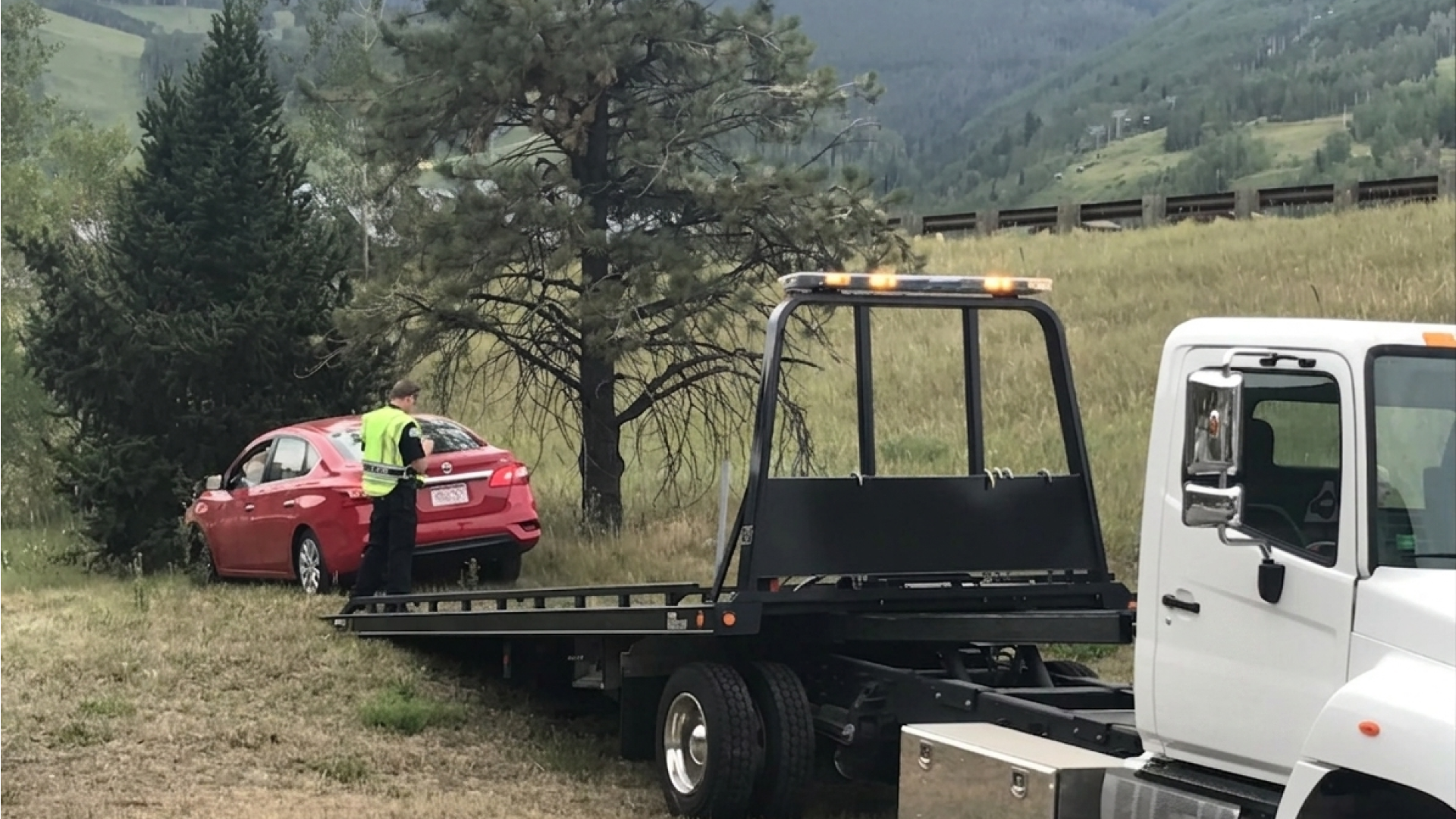
When a vehicle has been involved in an accident, suffered a mechanical failure, or become disabled on the road, towing is often the safest way to move it. Before any vehicle is loaded onto a tow truck, however, professional tow operators take an important first step: they perform a pre-transport assessment of the vehicle's condition.
This assessment isn't about diagnosing repair needs or determining fault for an accident. Instead, it's a careful evaluation that helps operators choose the safest towing method, identify potential transportation challenges, and reduce the risk of additional damage during loading and transport.
Whether your car has collision damage, steering problems, suspension issues, or simply won't start, understanding how tow operators assess vehicle damage before transport can give you confidence in the towing process and help you know what to expect when you call AQA Towing.
In this guide, we'll explain why pre-transport vehicle assessments matter, what tow operators typically look for, and how these inspections contribute to safe and efficient vehicle transportation.
Why Vehicle Assessments Are Important Before Towing
Every disabled vehicle presents a unique situation. Two cars involved in similar accidents may require completely different loading and transportation methods depending on the extent and location of the damage.
A thorough assessment helps tow operators:
Determine the safest way to move the vehicle
Select appropriate towing equipment
Identify loading challenges
Reduce the risk of additional damage
Improve transportation safety
Plan the recovery process more efficiently
Rather than treating every tow the same, certified tow operators adapt their approach based on the vehicle's condition.
What Is a Pre-Transport Vehicle Assessment?
A pre-transport vehicle assessment is a visual inspection performed before loading begins. The goal is to understand the vehicle's current condition and identify factors that may affect towing or transport.
This inspection helps answer questions such as:
Can the vehicle roll freely?
Is the steering functional?
Are the tires intact?
Is there visible suspension damage?
Does the vehicle require specialized loading techniques?
These observations help operators prepare for a safe recovery without attempting to perform mechanical repairs or diagnose underlying issues.
Step-by-Step Breakdown of the Vehicle Assessment
Step 1: Evaluating the Overall Condition
The first step is to examine the vehicle as a whole. Tow operators typically look for:
Visible accident damage
Vehicle position
Stability
Signs of fluid leaks
Overall accessibility
This initial overview provides valuable information before closer inspection begins, helping ensure roadside safety while waiting for a tow truck.
Step 2: Checking Tire Condition
Tires play a significant role during loading. Operators evaluate whether:
Tires are inflated
Wheels rotate normally
Tires have separated from the rim
Blowouts have occurred
Wheel damage is visible
Vehicles with damaged tires may require modified loading procedures or specialized equipment, which is why a tow truck tire change might be safer than DIY in hazardous roadside conditions.
Step 3: Assessing Steering Function
Steering condition affects how a vehicle can be positioned onto the tow truck. Operators determine whether:
The steering wheel turns normally
Front wheels respond properly
Steering components appear damaged
Wheels are locked
If steering is compromised, understanding how tow trucks handle vehicles with steering failure becomes crucial, often requiring additional loading methods such as controlled winching or wheel dollies.
Step 4: Inspecting Suspension Components
Suspension damage is common after collisions or severe road impacts. Tow operators look for signs such as:
Uneven ride height
Broken suspension components
Collapsed wheels
Bent control arms
Visible structural concerns
Damaged suspension affects both loading techniques and vehicle securement during transport.
Step 5: Looking for Fluid Leaks
Visible fluid leaks provide important safety information. Operators may observe evidence of:
Engine oil leaks
Coolant leaks
Transmission fluid
Fuel leaks
Hydraulic fluid
Certain leaks require additional precautions to help maintain a safe loading environment.
Step 6: Determining Whether the Vehicle Rolls Freely
One of the most important questions is whether the vehicle can move normally. Operators assess whether:
Wheels rotate
Brakes are locked
Transmission issues prevent movement
Collision damage restricts mobility
A vehicle that rolls freely is generally easier to load than one with seized wheels or drivetrain damage.
Step 7: Evaluating Ground Clearance
Ground clearance influences how the vehicle should be loaded. Low-profile vehicles, sports cars, and luxury vehicles often require extra care to avoid contact with front bumpers, side skirts, spoilers, or undercarriage components. Experienced operators specialize in towing lowered, luxury, or sports cars without damage.
Step 8: Assessing Accident Damage
Following a collision, operators inspect visible damage to understand how it may affect transportation. Common observations include:
Front-end damage
Rear-end damage
Side-impact damage
Broken glass
Detached body panels
Wheel alignment concerns
Knowing what happens to your car after an accident helps clarify the entire transport and insurance recovery process.
Step 9: Choosing the Appropriate Tow Truck
Once the assessment is complete, the operator determines which equipment is most appropriate. Depending on the vehicle's condition, options include:
Flatbed tow trucks
Wheel-lift tow trucks
Recovery equipment for difficult situations
When considering what happens if you choose the wrong tow truck for your vehicle, operator experience becomes invaluable. Flatbed towing is often preferred for heavily damaged vehicles because it keeps all four wheels off the roadway and provides stable transportation.
Step 10: Planning the Loading Process
Before loading begins, operators develop a safe approach based on the inspection findings. Planning includes loading direction, winch positioning, vehicle alignment, securement strategy, and equipment placement. Careful preparation helps reduce complications during recovery.
Why Experience Makes a Difference
Assessing vehicle damage requires more than simply looking at visible dents or scratches. Understanding why experience matters more than price in emergency towing is critical, as seasoned operators recognize subtle indicators that affect transportation, including:
Suspension irregularities
Wheel positioning
Steering limitations
Structural concerns
Vehicle balance
Their practical experience helps them anticipate challenges before loading begins.
How Different Types of Damage Affect Towing
Mechanical Failures: Vehicles with engine or transmission problems may still roll normally, allowing for relatively straightforward loading. Understanding how to know when your car needs professional towing, not just a quick fix, can save time.
Collision Damage: Accidents often create multiple transportation challenges involving steering, suspension, or body components.
Flat Tires: Depending on severity, operators may modify loading techniques to accommodate damaged tires.
Steering Problems: Vehicles with steering failure often require specialized positioning and loading procedures.
Suspension Damage: Additional care helps avoid placing unnecessary stress on damaged components.
Protecting the Vehicle During Transport
Once the assessment is complete and the vehicle is loaded, operators focus on secure transportation. Understanding how towing companies secure vehicles for long drives highlights the importance of proper setup.
Professional securement methods include:
Wheel straps
Tie-down systems
Multiple anchor points
Balanced weight distribution
Before departing, operators verify that the vehicle is stable and properly secured for the journey, ensuring protection for sensitive equipment like modern vehicle sensors and ADAS systems.
Common Challenges Tow Operators Encounter
Vehicle recovery is not always straightforward. Common challenges include:
Locked Wheels: These may require specialized loading equipment.
Limited Access: Vehicles parked in tight spaces or garaged can require careful maneuvering.
Severe Collision Damage: Structural damage may affect loading angles and securement.
Poor Road Conditions: Mud, gravel, steep driveways, or snow complicate recovery efforts, which is why drivers should know can a tow truck help if your car is stuck in snow, mud, or ice.
Why Documentation Matters
Before transport, many towing companies document the vehicle's visible condition. This may include noting existing dents, scratches, broken components, or accident-related damage. Documentation creates a clear record of the vehicle's condition before transportation begins.
What Vehicle Owners Can Do Before the Tow Truck Arrives
If it's safe to do so, vehicle owners can help streamline the process by preparing in advance. Knowing what documents you need before calling a towing company is a great starting point.
Owners can also help by:
Removing personal belongings
Providing accurate information about the vehicle
Explaining known mechanical issues
Informing the operator of steering or brake problems (such as how towing companies handle vehicles with brake failure)
Sharing details about how the breakdown occurred
Knowing why clear communication matters when requesting a tow truck ensures that dispatchers send the right equipment immediately.
Common Misconceptions About Vehicle Assessments
"The Tow Operator Is Inspecting My Car for Repairs" — Not exactly. The assessment is focused on transportation safety rather than diagnosing repair needs.
"Visible Damage Is All That Matters" — Not true. Operators also consider steering, suspension, wheel movement, and overall vehicle stability.
"Every Vehicle Is Loaded the Same Way" — Each vehicle is assessed individually, avoiding can towing damage your car prevention risks through customized loading methods.
Frequently Asked Questions
Why do tow operators inspect vehicles before towing them?
The inspection helps determine the safest loading method, identify transportation challenges, and reduce the risk of additional damage during transport.
Do tow operators diagnose mechanical problems?
No. Their assessment focuses on safe transportation rather than identifying or repairing mechanical issues.
What damage do tow operators typically look for?
They evaluate visible body damage, tire condition, steering function, suspension components, wheel movement, and other factors that may affect loading or transport.
Why is flatbed towing often used for damaged vehicles?
Flatbed towing supports the entire vehicle on a stable platform, helping protect damaged components during transportation.
Can a vehicle with locked wheels still be towed?
Yes. Professional towing companies use specialized equipment and loading techniques to transport vehicles with limited mobility.
Will the tow operator document existing vehicle damage?
Many towing companies note visible pre-existing damage before transport to create a record of the vehicle's condition.
Does accident damage change the towing process?
Yes. Collision-related damage may require modified loading procedures, different equipment, or additional precautions.
How does the assessment improve safety?
By understanding the vehicle's condition before loading, operators can choose appropriate equipment and transport methods that reduce risks for both the vehicle and everyone involved.
Conclusion
Every successful tow begins with a careful assessment of the vehicle. Before loading, professional tow operators evaluate factors such as steering, suspension, tire condition, visible damage, mobility, and overall stability to determine the safest transportation approach.
These inspections help ensure the right equipment is selected, proper loading techniques are used, and the vehicle is secured appropriately for the journey. Whether dealing with a mechanical breakdown, accident recovery, or long-distance transport, a thorough pre-transport assessment is an essential part of professional towing.
For vehicle owners, understanding this process provides reassurance that experienced operators are focused on transporting vehicles safely while minimizing the risk of additional damage.
Trust AQA Towing for Professional Vehicle Transport
When your vehicle needs towing, proper assessment and careful handling are just as important as the transport itself. AQA Towing is committed to providing professional towing services with a focus on safe loading, secure transportation, and attention to every vehicle's unique condition.
Whether you're dealing with a roadside breakdown, accident recovery, or planned vehicle transport, visit the AQA Towing website or request a quote online to learn what to expect when you request a tow quote online and get dependable towing solutions tailored to your needs.
