
The Difference Between Local Towing and Long-Haul Towing Services
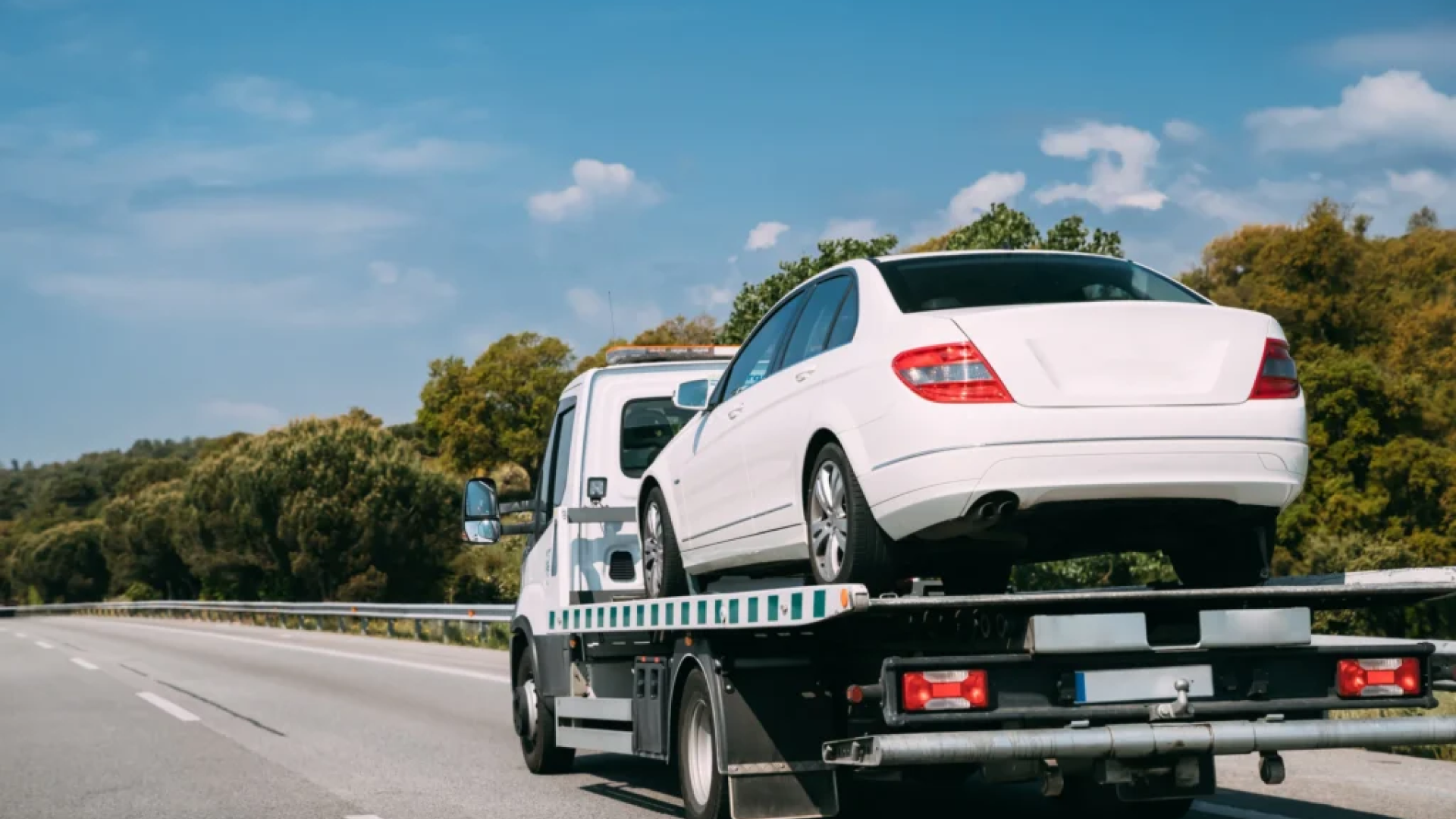
When most people think about towing, they picture a tow truck arriving after a breakdown and transporting a vehicle to the nearest repair shop. While that's certainly one common type of towing service, it's only part of the picture. Professional towing companies often provide both local towing and long-haul towing, each designed to meet different transportation needs.
Whether your vehicle has broken down a few miles from home or needs to be transported hundreds of miles to another city, understanding the differences between these two services can help you choose the right solution. Factors such as distance, vehicle type, timing, equipment, and transportation goals all play a role in determining which towing option is most appropriate.
In this guide, we'll explain the difference between local towing and long-haul towing services, when each service is used, and what you can expect during the towing process.
What Is Local Towing?
Local towing refers to transporting a vehicle over a relatively short distance, typically within the same city, town, or surrounding service area. Choosing local towing services can save you time and money when managing nearby transportation.
Drivers commonly request local towing for situations such as:
Vehicle breakdowns
Engine failure
Flat tires that can't be repaired roadside
Dead batteries requiring vehicle transport
Minor accidents
Moving a vehicle to a nearby repair shop
Transporting a vehicle home
The primary goal of local towing is to safely move a disabled or inoperable vehicle from one nearby location to another.
What Is Long-Haul Towing?
Long-haul towing, sometimes called long-distance towing, involves transporting a vehicle over a significantly greater distance.
Depending on the situation, this could include transportation:
Between cities
Across counties
Throughout a state
Across multiple states
Long-haul towing is commonly used when a vehicle needs to reach a destination that is far beyond a typical local service area.
Unlike emergency roadside towing, long-haul transport is often planned in advance, although emergency long-distance transportation may also be available in certain situations.
Local Towing vs. Long-Haul Towing: What's the Difference?
Although both services involve transporting vehicles safely, they differ in several important ways.
Distance
The most obvious difference is travel distance.
Local Towing
Local towing generally covers shorter trips within the surrounding area. Examples include:
Home to a repair shop
Parking lot to a mechanic (like when your car won't start in a parking lot)
Accident scene to a collision center
Long-Haul Towing
Long-haul towing involves transporting vehicles much farther, often requiring extended highway travel and careful route planning. Drivers wonder if there is a legal distance limit for towing in Illinois, but long-haul specialists can coordinate transport across state lines and extensive routes safely.
Purpose of the Tow
The reason for transportation often determines which service is appropriate.
Common Local Towing Situations
Local towing is frequently requested after:
Battery failures
Tire damage
Minor collisions
Overheating
These situations typically require transportation to the nearest qualified repair facility.
Common Long-Haul Towing Situations
Long-distance towing is often used for:
Relocating a vehicle after moving
Transporting a vehicle to a preferred repair shop
Moving specialty or collector vehicles
Delivering purchased vehicles
Transporting vehicles between business locations (fleet management and commercial solutions)
Moving vehicles that cannot be driven long distances safely
Equipment Used for Local and Long-Haul Towing
Professional towing companies select equipment based on the vehicle's condition and transportation distance.
Local Towing Equipment
Depending on the situation, local towing may involve:
Flatbed tow trucks
Wheel-lift tow trucks
Integrated towing equipment
The choice depends on choosing between flatbed, wheel lift, and other options based on factors such as vehicle type, accessibility, and the nature of the breakdown.
Long-Haul Transportation Equipment
Because vehicles remain in transit for longer periods, long-haul transportation often relies on equipment designed to maximize stability and protection. Flatbed tow trucks are commonly used because they support the entire vehicle on a level platform, reducing wear and helping protect the vehicle during extended travel.
How Vehicle Securement Differs
Regardless of distance, professional towing companies prioritize proper vehicle securement.
However, long-distance transportation often requires additional attention due to:
Highway speeds
Longer travel times
Changing road conditions
Weather variations
Experienced operators follow strict guidelines on how towing companies secure vehicles for long drives and inspect securement systems carefully before and during long-haul trips to help ensure the vehicle remains stable throughout transportation.
Planning Requirements
One major difference between local and long-haul towing is the amount of planning involved.
Local Towing
Local service is often requested unexpectedly. Examples include:
Sudden breakdowns
Flat tires
Accidents
Engine failures
The goal is typically to dispatch assistance as quickly as possible.
Long-Haul Towing
Long-distance transportation usually requires additional coordination. Reviewing a checklist for drivers preparing for long-distance towing can help streamline planning, which may include:
Route selection
Destination scheduling
Travel timing
Vehicle preparation
Equipment selection
Response Time Expectations
Drivers often wonder whether local towing and long-haul towing have different response times.
Local Towing
Emergency local towing generally focuses on reaching stranded drivers promptly and moving vehicles out of unsafe situations. Modern companies utilize GPS tracking for faster tow truck dispatch to minimize waiting periods.
Long-Haul Towing
Long-distance transport often involves scheduled pickup and delivery times rather than immediate roadside response. Because the transportation itself requires more time, scheduling and logistics become more important. Deciding between emergency towing vs. scheduled towing can also significantly impact costs.
Vehicle Types Commonly Transported
Both services accommodate a wide variety of vehicles.
Local Towing
Frequently transports:
Passenger cars
SUVs
Pickup trucks
Vans
Long-Haul Towing
May also include:
Collector cars
Specialty vehicles
Non-operational vehicles
Each vehicle receives transportation methods appropriate for its size, condition, and destination.
Why Flatbed Towing Is Popular for Long-Haul Transport
Many vehicle owners ask: "Why are flatbeds commonly used for long-distance towing?"
Flatbed transport offers several advantages:
Reduced Mechanical Wear: Since all four wheels remain off the roadway, there's less wear on tires and drivetrain components, preventing severe transmission damage from improper towing.
Improved Vehicle Stability: The vehicle remains securely positioned throughout transport.
Better Protection: Flatbeds help protect vehicles, including modern vehicle sensors and ADAS systems, from many road hazards encountered during long-distance travel.
Local Towing for Roadside Emergencies
Local towing plays an important role in helping drivers facing unexpected roadside problems.
Common emergencies include:
Engine overheating
Flat tires
Mechanical breakdowns
Professional towing companies help remove disabled vehicles from potentially dangerous locations, such as immobile vehicles on busy roads, while transporting them safely to the desired destination. Knowing proper roadside safety tips while waiting for a tow truck keeps drivers protected during these moments.
Long-Haul Towing for Vehicle Relocation
Not every towing job involves an emergency. Long-haul transportation is often selected for convenience.
Examples include:
Relocating after a move
Sending a vehicle to family members
Transporting vehicles to specialty repair facilities
Moving collector vehicles to events
Delivering recently purchased vehicles
Safely transporting vehicles using a tow truck vs. trailer
These planned transportation services help owners avoid unnecessary mileage and wear.
Factors That Determine Which Service You Need
Choosing between local and long-haul towing depends on several factors:
Distance: How far does the vehicle need to travel? (Consider what happens if your vehicle breaks down outside city limits).
Vehicle Condition: Can it be safely driven, or does it have severe mechanical issues like steering failure?
Destination: Is the repair shop nearby or located in another city?
Vehicle Type: Luxury, electric, and all-wheel drive vehicles may require additional transportation considerations.
Transportation Goals: Is the tow being requested due to an emergency or a planned relocation?
Why Professional Towing Matters Regardless of Distance
Whether transporting a vehicle across town or across the state, professional towing provides important advantages:
Proper Equipment: Professional operators use equipment suited to the vehicle's size and condition.
Safe Loading Procedures: Vehicles are carefully positioned and secured before transport by certified tow operators.
Reliable Transportation: Experienced operators follow proven procedures to prevent hidden costs of poorly performed tows.
Reduced Stress: Knowing your vehicle is being handled professionally provides peace of mind during an already challenging situation.
Common Mistakes to Avoid When Choosing a Towing Service
When arranging vehicle transportation, avoid focusing solely on price. Remember that experience matters more than price in emergency towing.
Instead, consider:
Experience
Equipment
Professional communication (clear communication when requesting a tow truck ensures accuracy)
Service capabilities
Vehicle handling expertise
Choosing a qualified towing provider helps eliminate common myths about towing and reduces the risk of delays or unnecessary vehicle damage.
Frequently Asked Questions
What is considered local towing?
Local towing generally involves transporting a vehicle within the same city, town, or nearby service area.
What is long-haul towing?
Long-haul towing refers to transporting a vehicle over longer distances, such as between cities, counties, or states.
Is flatbed towing better for long-distance transportation?
Flatbed towing is commonly used for long-distance transport because it supports the entire vehicle and helps reduce wear during extended travel.
Can non-running vehicles be transported long distances?
Yes. Professional towing companies can transport non-operational vehicles using equipment appropriate for their condition.
When should I choose long-haul towing instead of driving?
Long-distance towing may be beneficial if the vehicle is inoperable, unsafe to drive, or being relocated without adding mileage.
Do both services transport electric vehicles?
Yes. Professional towing companies can transport electric vehicles using methods suitable for their design and manufacturer recommendations.
Does long-haul towing require more planning?
Generally, yes. Longer transportation distances often involve additional scheduling, routing, and logistical coordination.
Can roadside emergencies require long-haul towing?
Yes. If a vehicle breaks down far from its intended destination, long-distance transportation may be the most practical solution.
Conclusion
While local towing and long-haul towing share the same goal of transporting vehicles safely, they serve different purposes and require different levels of planning, equipment, and logistics. Local towing is ideal for nearby breakdowns, roadside emergencies, and short-distance transportation, while long-haul towing provides a dependable solution for moving vehicles over much greater distances.
Understanding the differences between these services helps vehicle owners make informed decisions based on their specific needs. Whether you're dealing with an unexpected breakdown close to home or arranging transportation across cities, choosing the right towing service ensures your vehicle is handled safely and professionally from pickup to delivery.
Trust AQA Towing for Local and Long-Distance Vehicle Transportation
Whether you need assistance after a roadside breakdown or require dependable long-distance vehicle transportation, AQA Towing is committed to providing professional towing solutions tailored to your needs. With experienced operators, specialized equipment, and a focus on safe vehicle handling, every transport is approached with care and attention to detail.
Visit the AQA Towing website or request a quote online to learn more about what to expect when requesting a tow quote online and find the right solution for your local or long-haul transportation needs.
