
Introduction
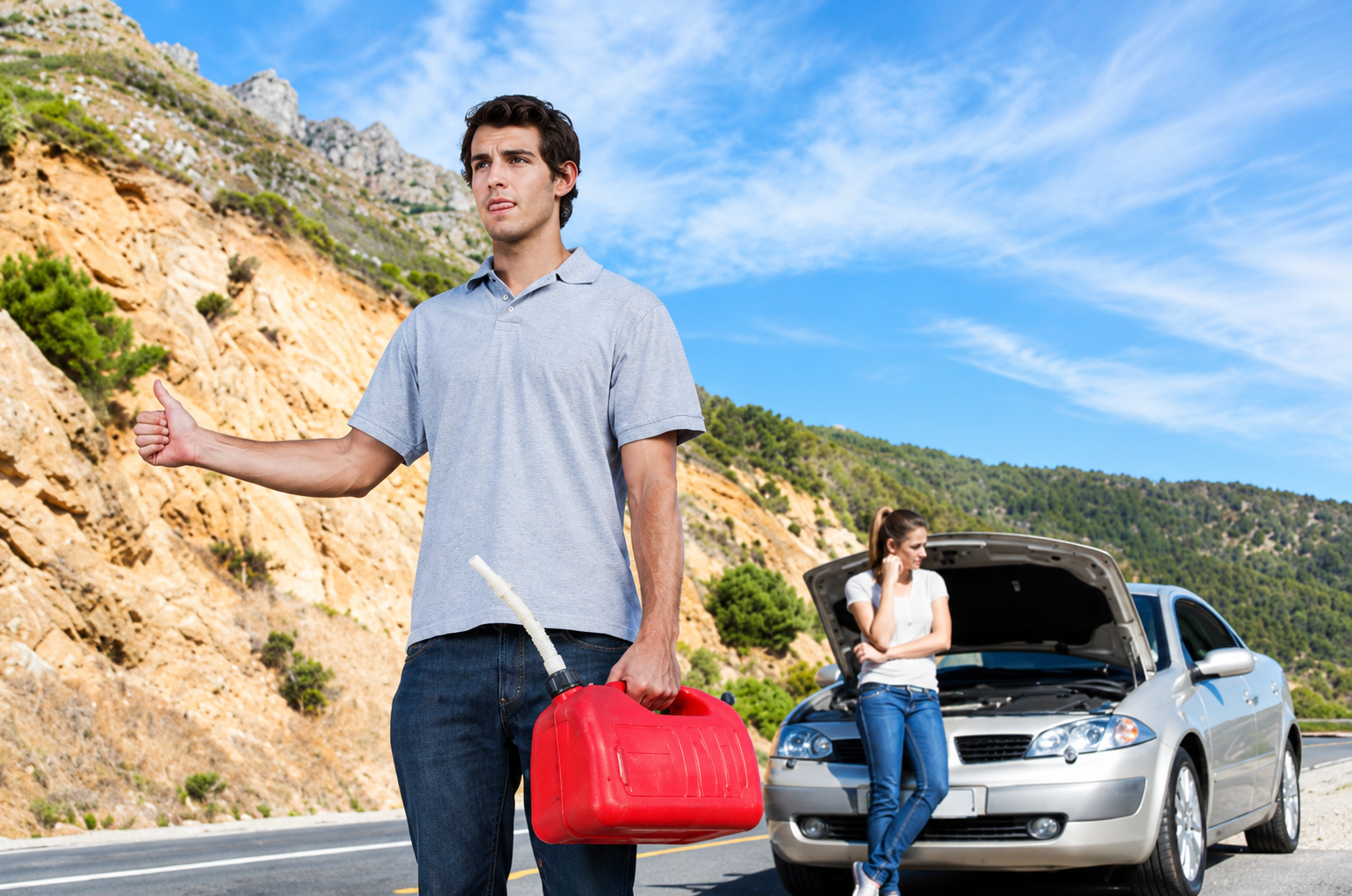
Running out of gas can happen to almost anyone. You may underestimate the distance to the next station, get caught in heavy traffic, miss an exit, or discover that your fuel gauge is less accurate than you thought. In Miami, where busy highways, congested streets, and long stretches between convenient exits can complicate a simple trip, an empty fuel tank can quickly become a stressful roadside situation. The first concern is safety. A vehicle that loses power in traffic can create a hazard for the driver, passengers, and other road users. Knowing how to respond, where to stop, and when to request roadside assistance can help you manage the situation without taking unnecessary risks. Running out of gas does not always mean your vehicle needs to be towed. Depending on where you stop and the vehicle's condition, roadside fuel delivery may be enough to get you moving again. If the car stops in a dangerous location or develops problems after the tank empties, professional roadside assistance or towing may be the safer option. This guide explains what happens when you run out of gas while driving in Miami, what to do immediately, how roadside fuel delivery works, and how to reduce the chance of facing the same problem again.
What Happens to Your Car When It Runs Out of Gas?
When a vehicle runs out of fuel, the engine can no longer receive the gasoline or diesel it needs to operate. The engine may sputter, lose power, hesitate, or shut off completely. The exact symptoms depend on the vehicle, its fuel system, and the conditions under which the fuel runs out.
The Engine May Sputter or Lose Power
One of the first signs of an empty fuel tank is a noticeable loss of engine performance. The vehicle may hesitate when you press the accelerator, jerk briefly, or struggle to maintain speed. If fuel delivery stops entirely, the engine will eventually stall. You may notice that the accelerator no longer produces a response, even though the vehicle is still moving due to its momentum. Do not continue pressing the accelerator in an attempt to force the vehicle forward. Focus on steering toward a safe stopping location while you still have control.
Steering and Braking May Feel Different
When the engine stops, some vehicles may lose power-assisted steering or braking assistance. The steering wheel can become harder to turn, and the brake pedal may require more physical effort. The brakes generally remain capable of slowing the vehicle, but the loss of power assistance can make stopping feel different from normal. Avoid switching off the ignition while the vehicle is moving, because doing so may affect steering or other systems depending on the vehicle. Keep both hands on the wheel, apply steady pressure to the brake as needed, and guide the vehicle toward a safe area. Do not panic if the controls suddenly feel heavier.
The Vehicle May Not Restart Immediately
After running out of gas, adding fuel does not guarantee that the engine will start on the first attempt. Some vehicles may need a short procedure to restore fuel delivery, while others may restart normally after a small amount of fuel is added. Repeatedly cranking the engine can drain the battery and place unnecessary strain on the starter. If the vehicle does not restart after following the manufacturer's instructions, request professional assistance rather than continuing to try.
What Should You Do If You Run Out of Gas in Miami?
Your response should depend on where the vehicle stops. A car that loses power on a quiet residential street presents a different situation from one that stalls in an active highway lane.
Step 1: Stay Calm and Keep Control of the Vehicle
If the engine begins to sputter, do not make sudden movements. Turn on your hazard lights as soon as practical and begin looking for a safe place to pull over. Use your remaining momentum to move out of moving traffic if you can do so safely. Avoid abrupt lane changes or crossing several lanes to reach a gas station. If the vehicle cannot be moved out of an active lane, remain aware of surrounding traffic and contact emergency services if the situation creates an immediate danger.
Step 2: Move to a Safe Location
If possible, steer into a parking lot, a designated breakdown area, a safe shoulder, or another location away from moving vehicles. Choose a spot that does not block an intersection, driveway, travel lane, or emergency access route. On a busy Miami road, do not attempt to push the vehicle through traffic or walk across multiple lanes to reach a gas station. The risk of being struck by another vehicle can be far greater than the inconvenience of waiting for assistance. If you are stopped on a highway, follow the guidance of Florida's road-safety authorities and emergency personnel. Do not assume that every shoulder is safe to walk along.
Step 3: Make Yourself Visible
Keep your hazard lights on while you are stopped in or near traffic. If you are in a safe location, remain inside the vehicle with your seat belt fastened when exiting would expose you to passing traffic. If the vehicle is in a dangerous position and you can safely reach a protected area away from traffic, follow the safest available route. Avoid standing behind or directly beside the vehicle where another driver might not see you. At night or during heavy rain, visibility can be especially poor. Do not use flares or other equipment unless you can deploy it safely and know how to handle it.
Step 4: Identify Your Exact Location
Once you are safe, determine where the vehicle has stopped. A street name, nearby business, highway exit, mile marker, or recognizable landmark can help a roadside assistance provider locate you. A phone's map application can also provide your location. If you are on a highway, specify the direction of travel and the nearest exit or marker whenever possible. Accurate location information helps the provider determine whether fuel delivery is appropriate and what access considerations may affect the response.
Step 5: Request Roadside Assistance
If you cannot safely reach a gas station, contact a roadside assistance provider. Explain that the vehicle ran out of fuel and provide its location, make, model, and current condition. Ask whether fuel delivery is available in your area, what the service costs, and the estimated arrival time. If the vehicle stopped in a hazardous position, tell the dispatcher immediately. If you are blocking traffic or face an immediate threat, contact emergency services rather than relying only on a routine roadside assistance call.
Is It Safe to Run Out of Gas on a Miami Highway?
Running out of gas on a highway can be dangerous because the vehicle may lose power while surrounded by fast-moving traffic. Even if the car continues rolling for a short distance, the driver may have limited opportunities to reach a safe stopping point.
Why Highway Breakdowns Require Extra Care
A stalled vehicle can obstruct a travel lane or leave the driver exposed on a narrow shoulder. Other drivers may have little time to react, particularly in heavy traffic, rain, or low visibility.
If the vehicle loses power on a highway:
Turn on your hazard lights as soon as practical.
Steer toward the nearest safe area without making abrupt movements.
Avoid stopping in a travel lane if you can safely move out of it.
Stay out of traffic and do not attempt to walk to a gas station across highway lanes.
Contact emergency services if the vehicle is creating an immediate traffic hazard.
Florida's Move Over law addresses drivers approaching certain stopped vehicles displaying warning signals or meeting other statutory conditions. Motorists should follow applicable requirements and move over when safe and legally required. Drivers who are stranded should not assume that approaching traffic will always move over.
Should You Exit the Vehicle?
There is no single answer for every roadside situation. Exiting a vehicle beside fast-moving traffic can be dangerous, but remaining inside a vehicle stopped in an active travel lane may also present a serious risk. Assess the surroundings and follow instructions from emergency responders or roadside personnel. If you can safely reach a protected area away from traffic, that may be preferable to standing beside the car. Never walk across active highway lanes to seek fuel.
Can Roadside Assistance Bring Gas to Your Car?
Yes. Some roadside assistance providers offer emergency fuel delivery for vehicles that run out of gas. A technician brings a limited amount of the appropriate fuel to the vehicle, allowing the driver to reach a nearby gas station if the vehicle operates normally afterward. Fuel delivery can be more convenient than arranging a tow when the only problem is an empty tank and the vehicle is in a safe, accessible location.
How Emergency Fuel Delivery Works
The process is usually straightforward:
Request assistance. Tell the provider that the vehicle has run out of fuel and share your location.
Provide vehicle details. Identify the make, model, fuel type, and any special access issues.
Confirm the service terms. Ask about the service fee, fuel charges, estimated arrival time, and payment options.
Wait in a safe place. Keep clear of traffic and follow any instructions provided by the dispatcher.
Add fuel and restart the vehicle. Follow the manufacturer's instructions and avoid repeated, prolonged starting attempts.
Refuel properly. Once the vehicle runs normally, drive to a fuel station and replenish the tank.
The quantity of fuel supplied varies by provider and service. The goal is generally to get the vehicle running long enough to reach a gas station, not to fill the entire tank.
Is Fuel Delivery Better Than Towing?
Fuel delivery may be the simpler option if the vehicle stopped solely because the tank is empty, is accessible, and has no other symptoms. A tow may be needed if the vehicle cannot be safely reached, is positioned dangerously, or fails to restart after fuel is added.
The right choice depends on the vehicle's condition and where it has stopped. Explain all symptoms when requesting help rather than assuming fuel is the only issue.
What If Your Car Still Will Not Start After Adding Gas?
An empty tank is a likely explanation when a vehicle stops after the fuel gauge reaches empty, but it is not the only possible cause of an engine that will not start.
Avoid Repeated Starting Attempts
Repeatedly turning the key or pressing the start button can drain the battery. If the engine does not start after a few reasonable attempts consistent with the owner's manual, stop and seek assistance. Modern vehicles may have specific procedures for restoring fuel pressure after the tank runs dry. Check the manufacturer's instructions rather than guessing or attempting unfamiliar repairs beside the road.
Consider Other Possible Problems
The vehicle may have a weak battery, a fuel system issue, or another mechanical fault unrelated to the empty tank. If the engine cranks but does not start, or if warning lights and unusual sounds appear, a professional assessment may be needed. Some vehicles can also experience fuel-system difficulties after being run completely dry. The risk and required procedure depend on the vehicle's design and condition. Tell the roadside technician what happened before the engine stopped and what occurred after fuel was added. Those details can help determine whether a jump-start, further roadside assistance, or a tow is appropriate.
How Much Does Emergency Fuel Delivery Cost in Miami?
The cost of emergency fuel delivery varies by provider and circumstances. There is no single price that applies to every location, vehicle, or time of day. The final amount may depend on the service call, quantity and type of fuel supplied, distance, time, and any special access requirements. A service call at an easily accessible parking lot may be handled differently from a vehicle stranded in a difficult-to-reach location. Before agreeing to service, ask for a clear explanation of the charges. Confirm whether the quoted price includes the fuel itself, whether additional fees may apply, and what happens if the vehicle needs towing instead.
Does Car Insurance Cover Running Out of Gas?
Coverage depends on the policy. Some auto insurance policies offer roadside assistance as an optional benefit, while some drivers receive roadside support through a vehicle warranty, membership program, or another service plan. Coverage may have limits on the number of calls, the distance covered, or the types of services included. Fuel itself may be charged separately even if the assistance call is covered. Review your policy or contact your provider to understand the terms before an emergency occurs. If you are already stranded, ask the roadside provider whether your membership or insurance plan can be used for the service.
How to Prevent Running Out of Gas in Miami
A few routine habits can reduce the likelihood of an empty-tank breakdown. They are especially useful if you commute through heavy traffic, make frequent short trips, or travel across unfamiliar parts of Miami-Dade County.
Refuel Before the Tank Gets Too Low
Do not treat the low-fuel warning as a target. Refuel when the gauge reaches a level that gives you a comfortable margin for unexpected delays. Fuel consumption can increase during prolonged idling or stop-and-go traffic. A trip that normally uses little fuel may require more if traffic is backed up or a detour adds distance.
Plan Ahead for Longer Trips
Check your fuel level before entering unfamiliar areas or starting a long drive. Identify convenient fuel stations along the route, particularly if you will be using highways or traveling late at night. A navigation application can help locate stations, but do not rely on a single planned stop if your fuel range is already low. Refuel at an accessible station when the opportunity is available.
Pay Attention to Changes in Fuel Economy
If you find yourself refueling much more frequently than usual, check whether your driving pattern has changed. If it has not, the vehicle may need maintenance or an inspection of the fuel gauge and related systems. Never assume the displayed remaining range is perfectly accurate. It is an estimate that can change with speed, traffic, load, weather, and driving conditions.
Keep Roadside Assistance Information Available
Save the contact information for your roadside assistance provider and know whether your insurance, warranty, or membership includes fuel delivery. Keep your phone charged and consider carrying a vehicle charger. Being prepared will not prevent every breakdown, but it can make it easier to request the right service without searching for help under pressure.
Conclusion
Running out of gas while driving in Miami can cause more than an inconvenient delay. A vehicle may lose power, stall in traffic, or fail to restart after fuel is added. The safest response is to keep control of the vehicle, move away from traffic if possible, make your location clear, and request the appropriate assistance. Roadside fuel delivery can be a practical solution when an empty tank is the only problem and the vehicle is safely accessible. If the car remains in a dangerous position or has another mechanical issue, emergency assistance or towing may be necessary. Confirm service charges and coverage before agreeing to non-emergency work, and follow the vehicle manufacturer's instructions when restarting it. AQA Towing serves the Chicago area, the South Suburbs, and Northwest Indiana with towing and roadside assistance services. Drivers in any location should choose a provider that serves their actual location and explain the situation clearly so the appropriate help can be arranged.
The best way to avoid a repeat incident is to refuel before the tank gets too low, plan ahead for unfamiliar routes, and keep roadside assistance details close at hand.
Frequently Asked Questions
1. What should I do if I run out of gas while driving?
Turn on your hazard lights, keep control of the vehicle, and move to a safe stopping location if possible. Avoid walking through traffic to find fuel. Once safe, contact a roadside assistance provider for fuel delivery or other help.
2. Can roadside assistance bring gas to my car?
Yes. Some roadside assistance providers offer emergency fuel delivery. They bring a limited amount of the appropriate fuel to help you reach a gas station. Confirm the service fee, fuel charges, and availability in your location.
3. Is it dangerous to run out of gas on the highway?
It can be dangerous because the engine may lose power in moving traffic and the vehicle may stop in a travel lane or on a narrow shoulder. Use your hazard lights, move out of traffic if safe, and contact emergency services if the situation creates an immediate hazard.
4. Will my car start immediately after I put gas in it?
Not always. Some vehicles may need a specific restart procedure, and others may have a separate mechanical or electrical problem. Follow the owner's manual and avoid repeated, prolonged starting attempts if the engine will not start.
5. Can running out of gas damage my car?
Repeatedly running the vehicle with very little fuel can be hard on some fuel-system components, depending on the vehicle design. Running completely dry can also introduce starting difficulties. Refuel promptly and follow the manufacturer's guidance if the engine does not restart.
6. How much does emergency gas delivery cost?
The price varies by provider, location, time, fuel type, and the amount delivered. Ask whether the quoted fee includes both the service call and fuel, and confirm whether additional charges could apply.
7. Does car insurance cover running out of gas?
Some policies include roadside assistance, either as an optional benefit or through a related service plan. Coverage limits and fuel charges vary. Check your policy or membership terms to confirm what is included.
8. Should I leave my car if it runs out of gas on a busy road?
Do not automatically exit the vehicle beside moving traffic. Assess the surroundings and follow instructions from emergency personnel or roadside assistance. If you can safely reach a protected area away from traffic, that may be preferable; never cross active lanes to seek fuel.
9. What if my car will not start even after fuel is added?
Stop repeated starting attempts and request assistance if the engine still will not start. A weak battery, fuel delivery problem, or another mechanical issue may be responsible. Tell the technician that the vehicle ran out of fuel and explain what happened after refueling.
10. How can I avoid running out of gas during Miami traffic?
Refuel before the tank becomes low, check your fuel level before longer trips, and plan stops along unfamiliar routes. Heavy traffic and detours can increase fuel use, so leave a margin rather than relying entirely on the remaining-range estimate.
